Premium Medication Bottles - Secure Pharmaceutical Storage Solutions for Safe Drug Preservation

All Categories

Get a Free Quote

Our representative will contact you soon.
Email
Mobile/WhatsApp
Name
Company Name
Message
0/1000

medication bottle

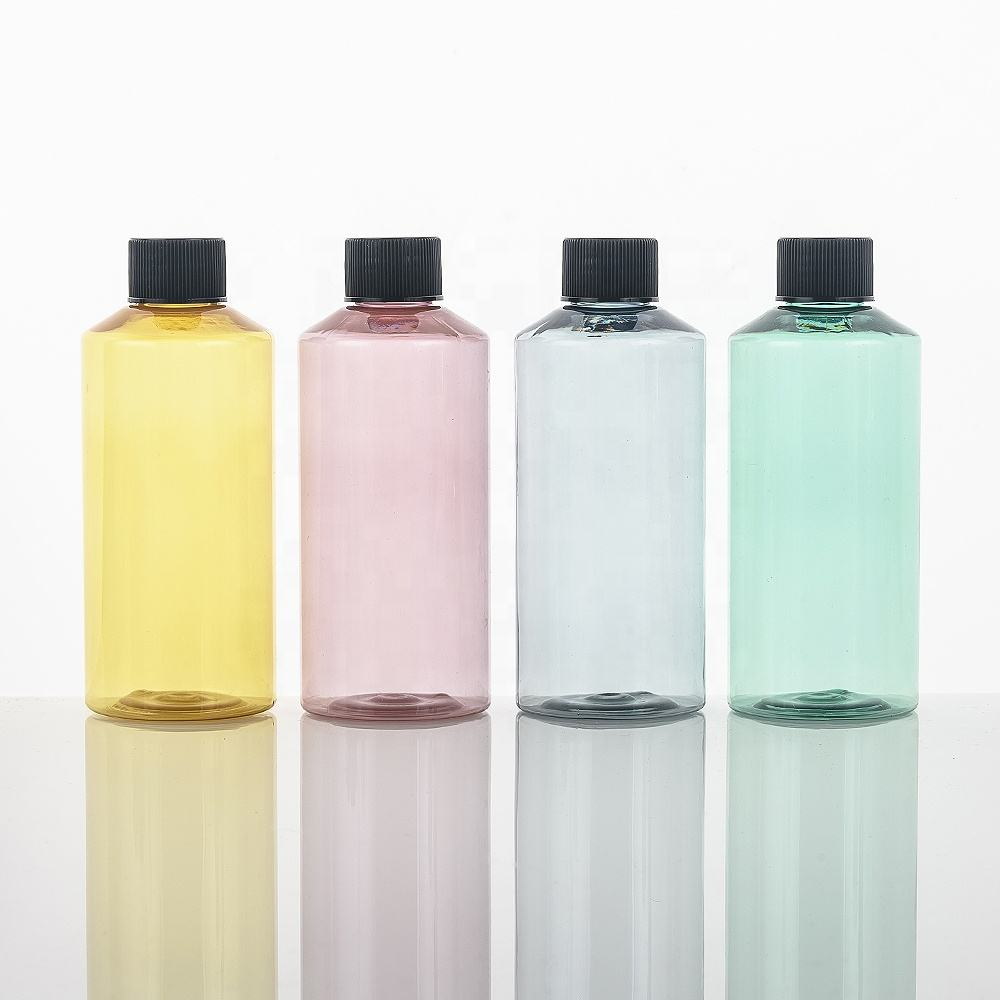
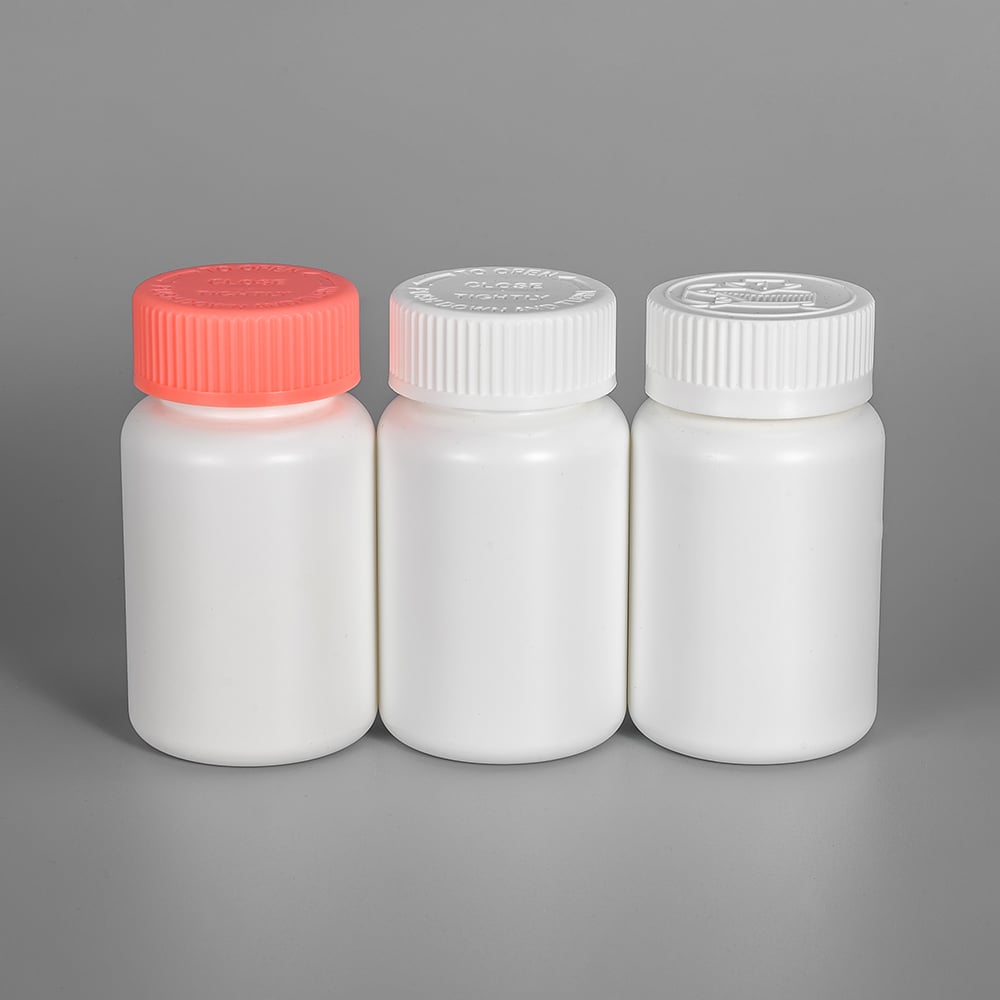
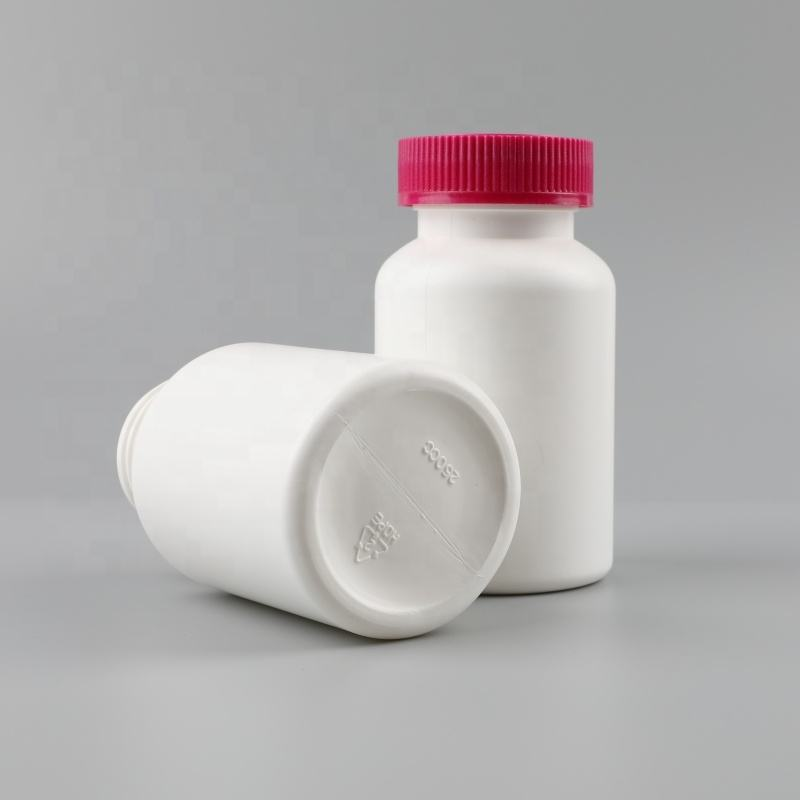
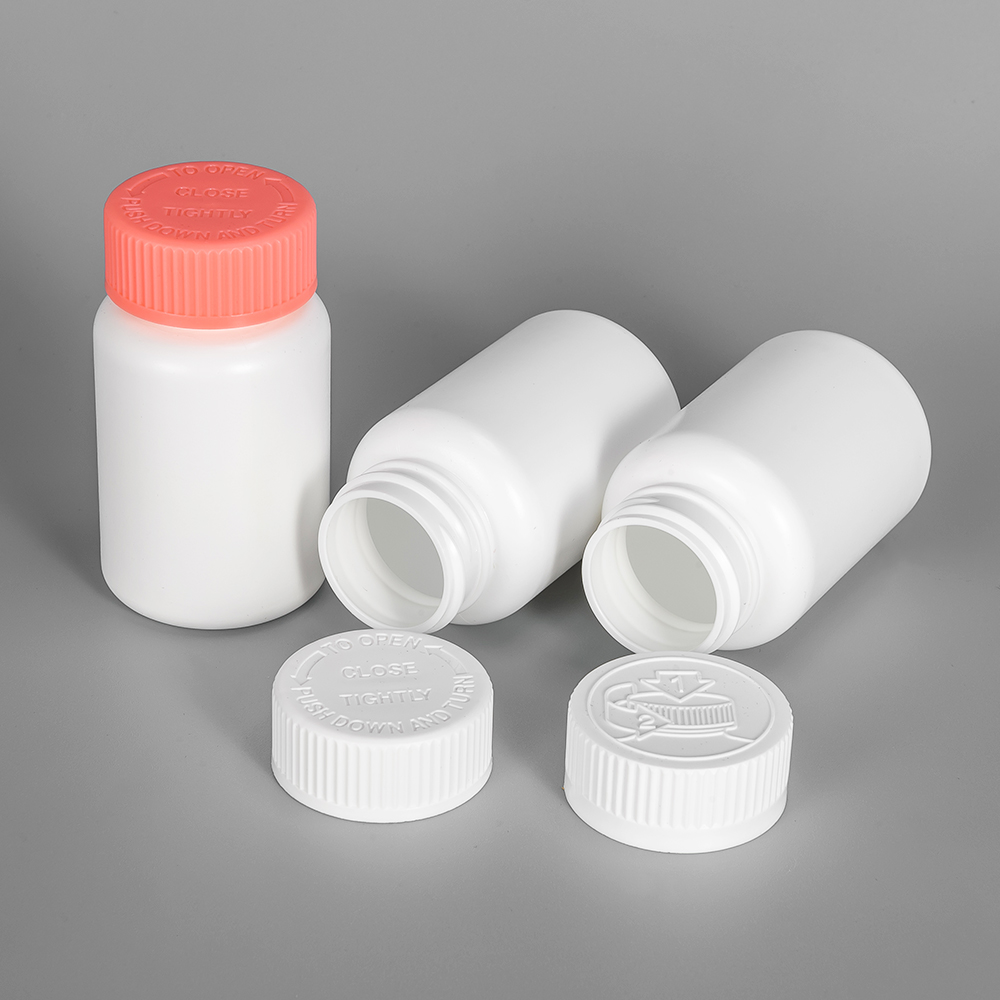
A medication bottle serves as an essential container designed specifically for storing pharmaceutical products, prescription drugs, over-the-counter medicines, and various health supplements. These specialized containers play a crucial role in the healthcare industry by ensuring medications remain safe, potent, and accessible to patients who depend on them for daily treatment regimens. Modern medication bottles incorporate advanced design elements that address multiple concerns including product preservation, user safety, regulatory compliance, and convenient dispensing. The primary function of a medication bottle extends beyond simple storage, as it acts as a protective barrier against environmental factors such as moisture, light, oxygen, and temperature fluctuations that could compromise drug efficacy. Manufacturers construct these bottles using materials like high-density polyethylene, polypropylene, or amber-colored glass, each selected for specific protective properties. The technological features integrated into contemporary medication bottles include child-resistant closures that prevent accidental ingestion by young children, tamper-evident seals that provide visual confirmation of product integrity, and desiccant chambers that absorb excess moisture to maintain optimal storage conditions. Many medication bottles now feature innovative dispensing mechanisms such as flip-top caps, dropper inserts, or measured dosing systems that help patients administer accurate quantities. Applications for medication bottles span across retail pharmacies, hospital dispensaries, long-term care facilities, veterinary clinics, and home medicine cabinets. The pharmaceutical industry relies heavily on standardized medication bottle designs that meet stringent FDA regulations and USP standards for packaging. These containers must display critical information including drug name, dosage strength, expiration date, lot numbers, and patient instructions in clearly readable formats. Advanced medication bottles may incorporate smart technology features like RFID tags, QR codes, or NFC chips that enable inventory tracking, authentication verification, and patient adherence monitoring through connected mobile applications, representing the evolution of traditional pharmaceutical packaging into intelligent healthcare solutions.

New Products

Choosing the right medication bottle provides numerous practical benefits that directly impact patient safety, medication effectiveness, and overall healthcare outcomes. First and foremost, these specialized containers offer superior protection for sensitive pharmaceutical compounds, ensuring that your medications maintain their intended potency from the moment of dispensing until the final dose. The protective barriers built into quality medication bottles shield contents from harmful UV rays, which can degrade certain drug formulations, while airtight seals prevent oxidation and moisture intrusion that might otherwise compromise therapeutic efficacy. Patients gain peace of mind knowing their medications remain stable and effective throughout the prescribed treatment period. The child-resistant closure systems incorporated into medication bottles deliver critical safety advantages for families with young children, significantly reducing the risk of accidental poisoning incidents. These intelligent cap designs require specific manipulation techniques that challenge small hands while remaining accessible to adults, striking an essential balance between security and usability. For elderly patients or individuals with arthritis, many medication bottles now offer easy-open alternatives that maintain safety standards while accommodating reduced hand strength and dexterity. Organizational benefits emerge through clearly labeled medication bottles that help patients manage complex treatment regimens involving multiple prescriptions. The standardized labeling on these containers presents vital information at a glance, reducing confusion and medication errors that could lead to adverse health consequences. Tamper-evident features provide additional assurance that medications have not been compromised between the pharmacy and the patient, building trust in the pharmaceutical supply chain. Cost-effectiveness represents another significant advantage, as durable medication bottles can be reused for refills, reducing packaging waste and lowering overall healthcare expenses. The portability of medication bottles enables patients to maintain treatment adherence while traveling or away from home, with secure closures preventing spills in purses, luggage, or vehicle storage. Dispensing accuracy improves through integrated measurement systems and controlled openings that help patients take exactly the prescribed amount, avoiding underdosing that reduces treatment effectiveness or overdosing that may cause harmful side effects. Modern medication bottles support environmental sustainability through recyclable materials and reduced packaging volume compared to alternative storage solutions. These containers facilitate better communication between healthcare providers and patients by providing adequate surface area for detailed instructions, warnings, and contact information that support informed medication use and encourage proper adherence to treatment protocols.

Practical Tips

Our advantage

10

Mar

Our advantage

View More
TAIZHOU ZONG LV SHU PACKING CO., LTD

17

Mar

TAIZHOU ZONG LV SHU PACKING CO., LTD

View More

Get a Free Quote

Our representative will contact you soon.
Email
Mobile/WhatsApp
Name
Company Name
Message
0/1000

medication bottle

Advanced Protection Technology for Maximum Drug Stability

Advanced Protection Technology for Maximum Drug Stability

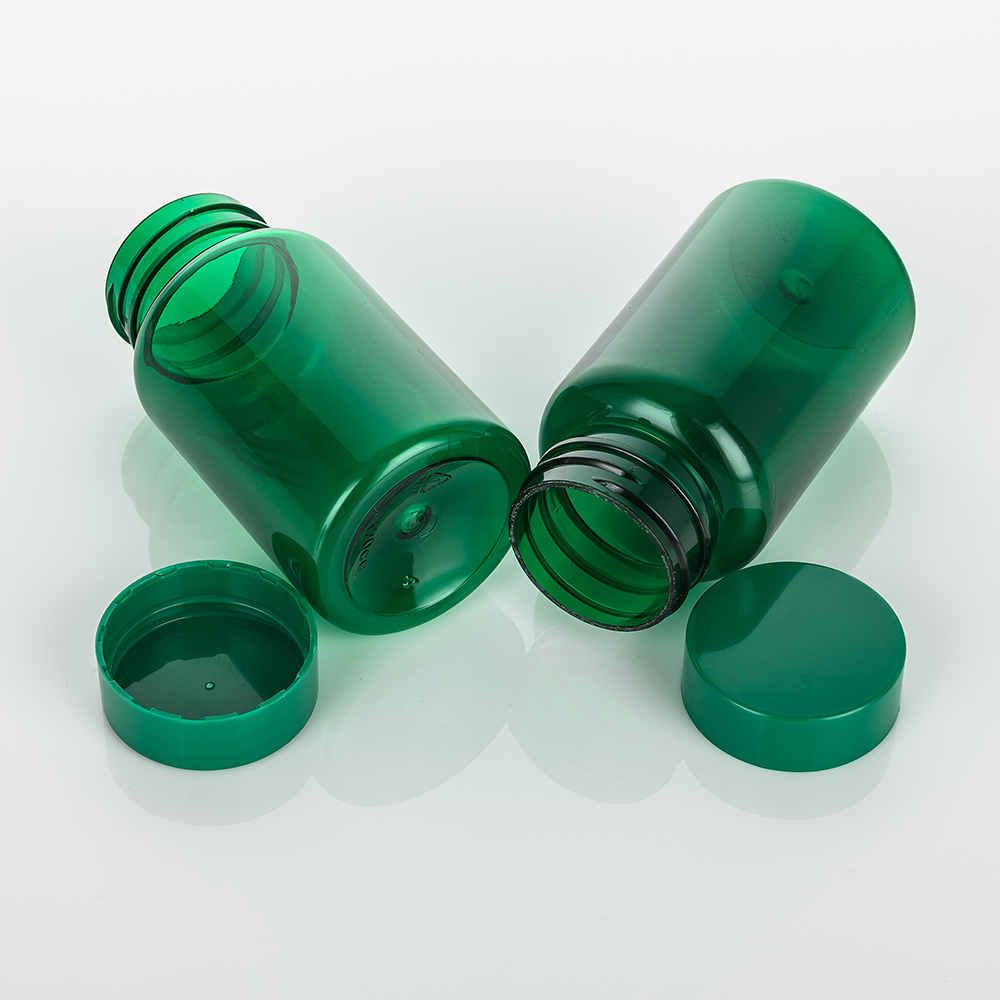
The sophisticated protection technology engineered into modern medication bottles represents a fundamental advancement in pharmaceutical packaging that directly benefits patient health outcomes and medication effectiveness. These containers employ multiple layers of defense against environmental threats that can compromise drug integrity over time. The material selection process begins with carefully chosen polymers or glass formulations that create impermeable barriers against moisture vapor transmission, a critical factor since many medications undergo chemical degradation when exposed to humidity. High-density polyethylene and specialized polypropylene compounds offer exceptional moisture resistance while maintaining flexibility and impact resistance that prevents breakage during handling and transportation. For light-sensitive medications, amber-colored or opaque medication bottles filter out harmful ultraviolet and visible light wavelengths that trigger photochemical reactions in susceptible pharmaceutical compounds. This protection proves especially vital for medications like certain antibiotics, vitamins, and cardiovascular drugs that lose potency when exposed to light. The oxygen barrier properties built into premium medication bottles prevent oxidative degradation that affects stability and shelf life, particularly important for formulations containing easily oxidized active ingredients. Advanced sealing technology ensures airtight closures that maintain internal atmospheric conditions, often incorporating induction-sealed liners that create hermetic seals upon initial closure. Some medication bottles integrate desiccant systems within the cap or as separate inserts, actively absorbing residual moisture that might enter during opening and closing cycles. Temperature stability benefits from the insulating properties of bottle materials that moderate thermal fluctuations during storage and transport. The structural integrity of medication bottles withstands physical stresses including compression, impact, and vibration that occur throughout the distribution chain, preventing container failure that could expose contents to contamination or environmental damage. Chemical resistance ensures that bottle materials do not interact with medication formulations, leaching unwanted substances or absorbing active ingredients that would alter dosing accuracy. These comprehensive protective features work synergistically to extend medication shelf life, reduce waste from expired products, and ensure patients receive full therapeutic benefits from every dose, ultimately supporting better treatment outcomes and reducing healthcare costs associated with ineffective or degraded medications.
Intelligent Safety Features Designed for Family Protection

Intelligent Safety Features Designed for Family Protection

The intelligent safety features incorporated into contemporary medication bottles address critical public health concerns while maintaining practical usability for intended users, creating a sophisticated balance between protection and accessibility. Child-resistant closure systems represent the cornerstone of medication bottle safety design, engineered through extensive testing to meet rigorous standards established by regulatory agencies including the Consumer Product Safety Commission and international equivalents. These closure mechanisms employ various design approaches such as push-and-turn caps that require simultaneous downward pressure and rotational movement, squeeze-and-turn systems that demand coordinated hand actions, or alignment-dependent closures where specific positioning enables opening. The effectiveness of these systems has been validated through protocols testing children under five years old, ensuring that young users cannot easily access potentially dangerous medications while adults can operate closures without excessive difficulty. For senior citizens and individuals with limited hand mobility, medication bottles now offer specialized easy-open versions that maintain safety standards through alternative mechanisms like larger grip surfaces, reduced torque requirements, or flip-top designs that provide secure closure without complex manipulation. Tamper-evident features add another critical safety layer, incorporating breakaway bands, sealed shrink wraps, or foil induction seals that provide immediate visual confirmation of container integrity. These indicators help patients identify if bottles have been opened or compromised before reaching their possession, protecting against product tampering and building confidence in medication authenticity. The psychological safety benefits extend beyond physical protection, as clear warning labels, color-coded systems, and prominent hazard symbols on medication bottles help prevent accidental misuse or confusion between different prescriptions. Ergonomic design considerations ensure that safety features do not create frustration or inconvenience that might lead users to transfer medications to less secure containers, defeating the protective purpose. Graduated improvements in safety technology continue emerging, including smart medication bottles with electronic monitoring capabilities that track opening events, send adherence reminders to patient smartphones, and alert caregivers when bottles remain unopened beyond scheduled dosing times. These connected systems offer particular value for elderly patients living independently or individuals managing chronic conditions requiring strict adherence schedules, effectively extending safety supervision into daily medication management routines and supporting better health outcomes through improved compliance.
Precision Dispensing Systems for Accurate Dosage Administration

Precision Dispensing Systems for Accurate Dosage Administration

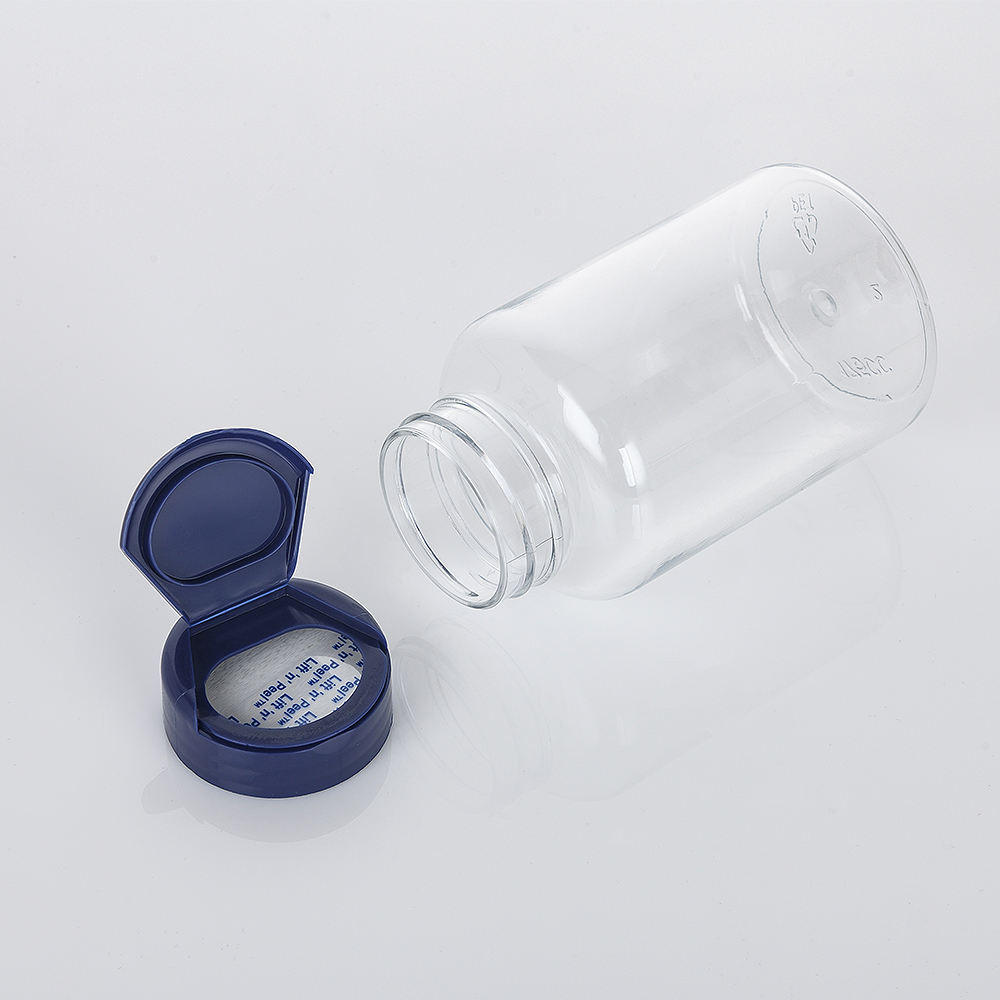
Precision dispensing systems integrated into advanced medication bottles transform these containers from simple storage vessels into sophisticated dosage administration tools that enhance treatment accuracy and patient compliance. The importance of exact dosing cannot be overstated, as therapeutic effectiveness depends on patients receiving precisely the amount prescribed by healthcare providers, with underdosing potentially rendering treatments ineffective and overdosing risking adverse reactions or toxicity. Modern medication bottles address this challenge through various innovative dispensing mechanisms tailored to different medication forms and patient needs. Dropper inserts molded into bottle necks provide controlled liquid medication dispensing, with calibrated graduations allowing patients to measure specific volumes accurately. These droppers prove especially valuable for pediatric formulations, ophthalmic solutions, and concentrated liquid medications where milliliter-level precision determines therapeutic outcomes. Flip-top dispensing caps create measured openings that release predetermined quantities with each operation, ideal for solid dosage forms like tablets or capsules, preventing patients from accidentally pouring excessive amounts. Specialized medication bottles designed for powdered supplements or granular formulations incorporate leveling mechanisms and scoop holders that standardize serving sizes, eliminating guesswork in dosage measurement. The transparency of many medication bottles enables visual inspection of remaining quantities, helping patients anticipate refill needs and avoid treatment interruptions from unexpected depletion. Graduated markings molded or printed directly onto bottle sidewalls provide measurement guides for liquid medications, with clearly visible numbering that accommodates various lighting conditions and visual acuity levels. Pour spouts engineered with specific diameter restrictions control flow rates, preventing rapid discharge that leads to spills or inaccurate measurement, particularly beneficial for viscous liquid medications or suspensions requiring shaking before use. Child-resistant closures double as dosing aids in some designs, incorporating measured cups or chambers within the cap structure that patients fill to appropriate levels before administration. These integrated systems reduce the need for separate measuring devices that might be misplaced or improperly cleaned between uses. Smart medication bottles equipped with weight sensors or optical counting systems provide digital displays showing remaining doses, removing uncertainty about supply status and supporting proactive prescription refill planning. The tactile feedback built into quality dispensing mechanisms gives users confidence in their dosing actions through distinct clicks, stops, or resistance points that confirm proper operation. Consistency in dispensing performance across multiple uses ensures that first doses match final doses in accuracy, maintaining uniform therapeutic delivery throughout treatment courses. These precision features prove particularly crucial for medications with narrow therapeutic windows where slight dosage variations significantly impact efficacy and safety, supporting optimal treatment outcomes through reliable, accurate administration that patients can confidently perform independently in home settings without requiring medical supervision for basic dosage tasks.

Get a Free Quote

Our representative will contact you soon.
Email
Mobile/WhatsApp
Name
Company Name
Message
0/1000