Premium Drug Bottles - Safe Pharmaceutical Packaging Solutions for Medication Storage

All Categories

Get a Free Quote

Our representative will contact you soon.
Email
Mobile/WhatsApp
Name
Company Name
Message
0/1000

drug bottles

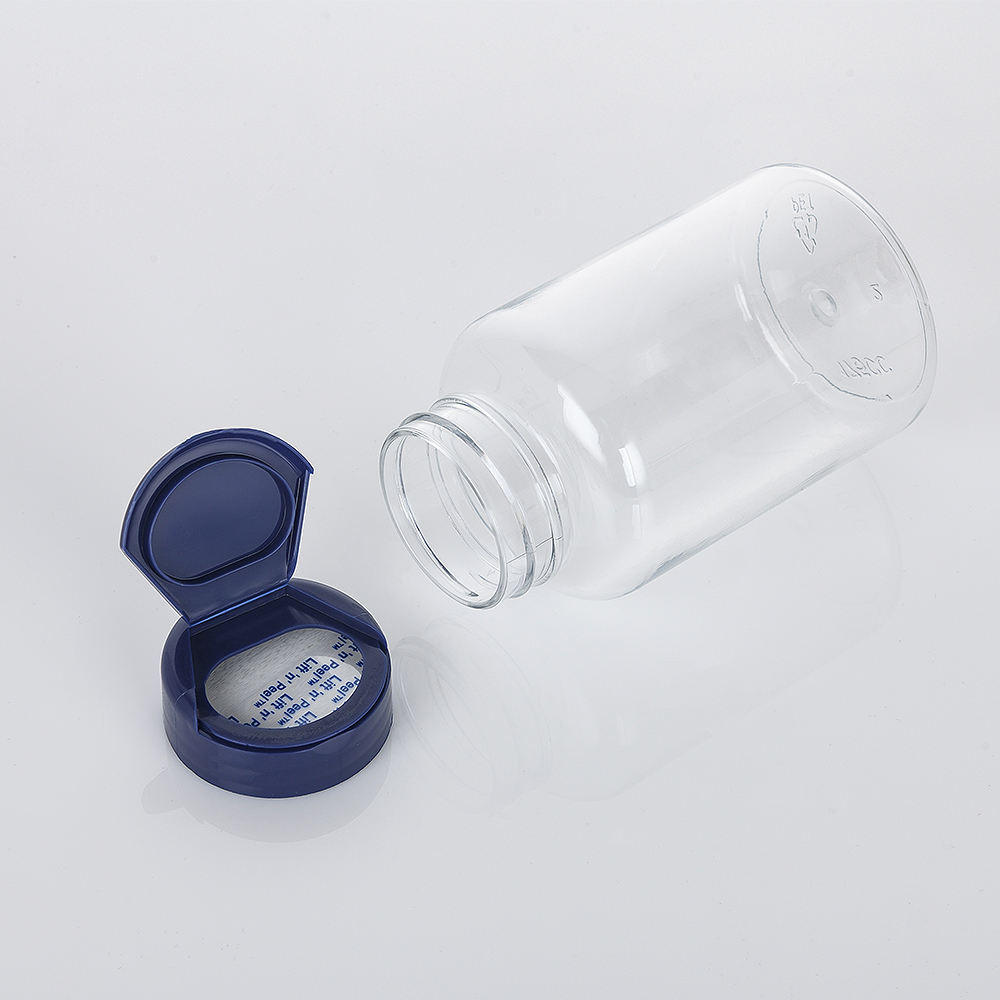
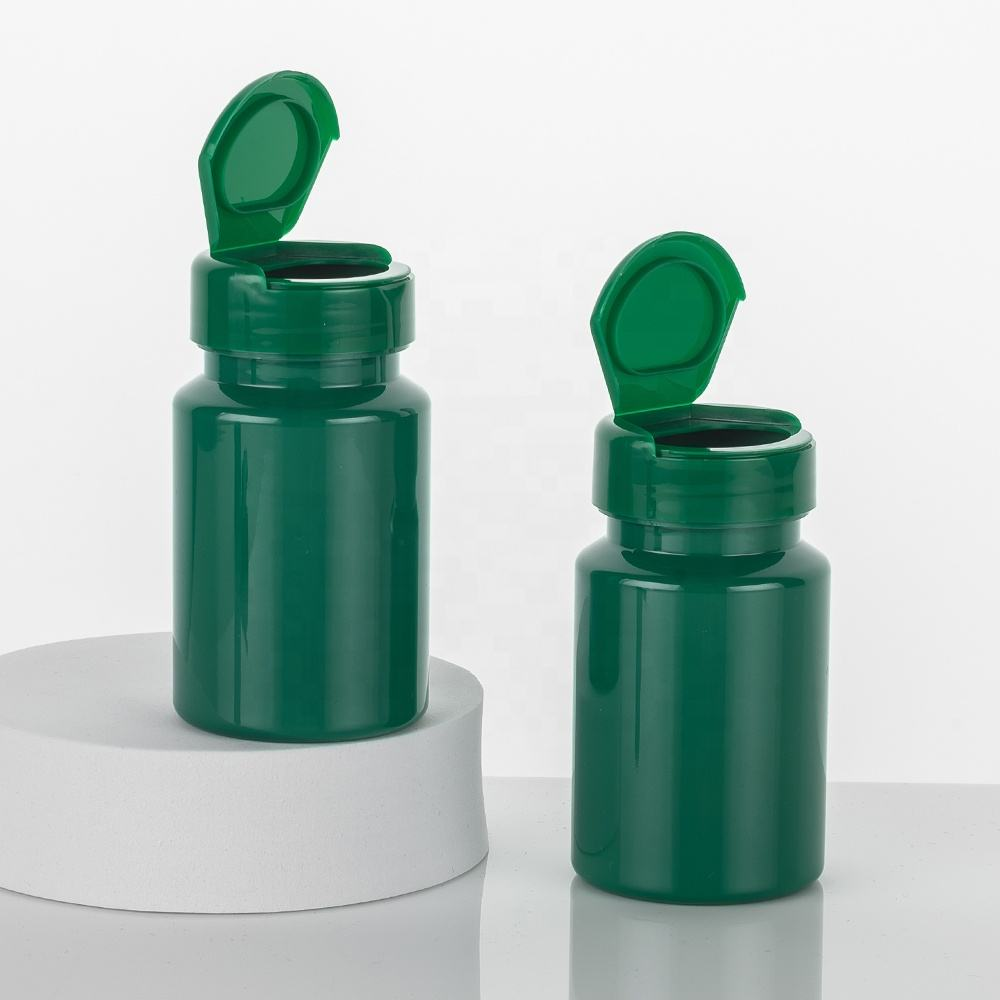
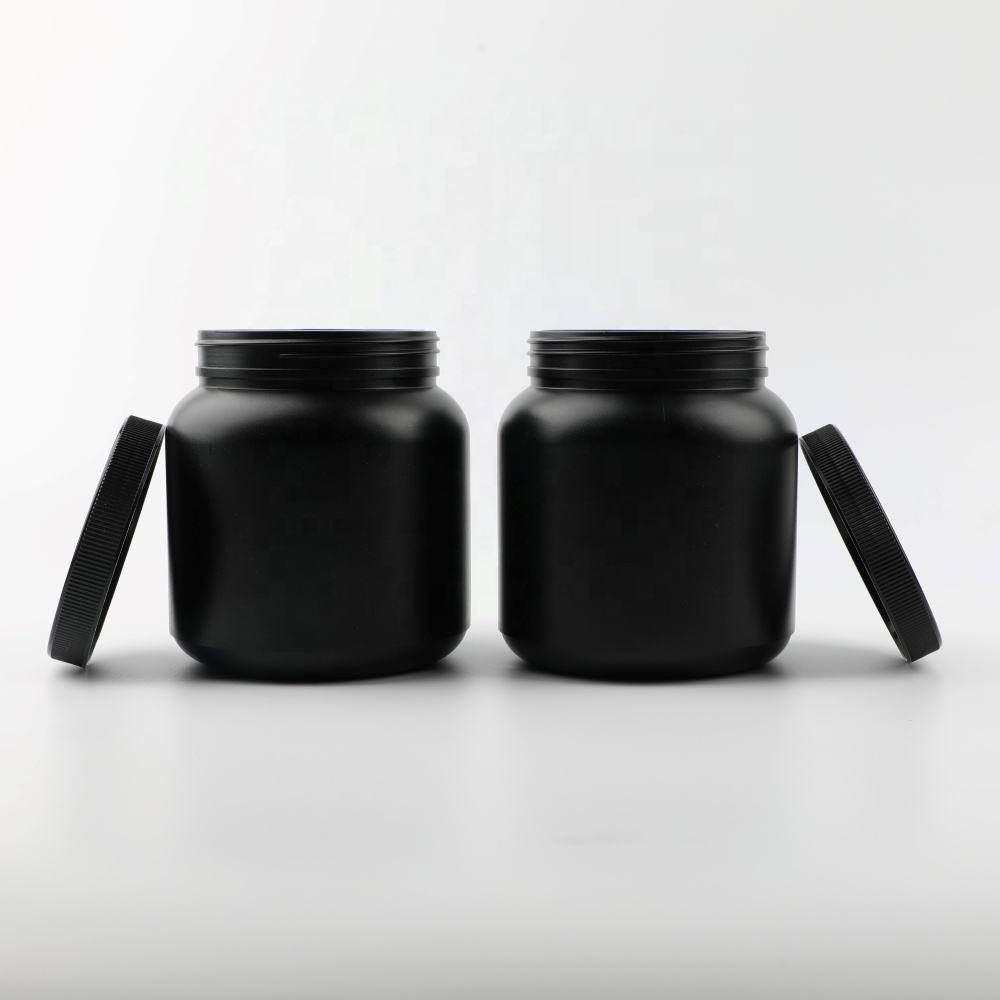
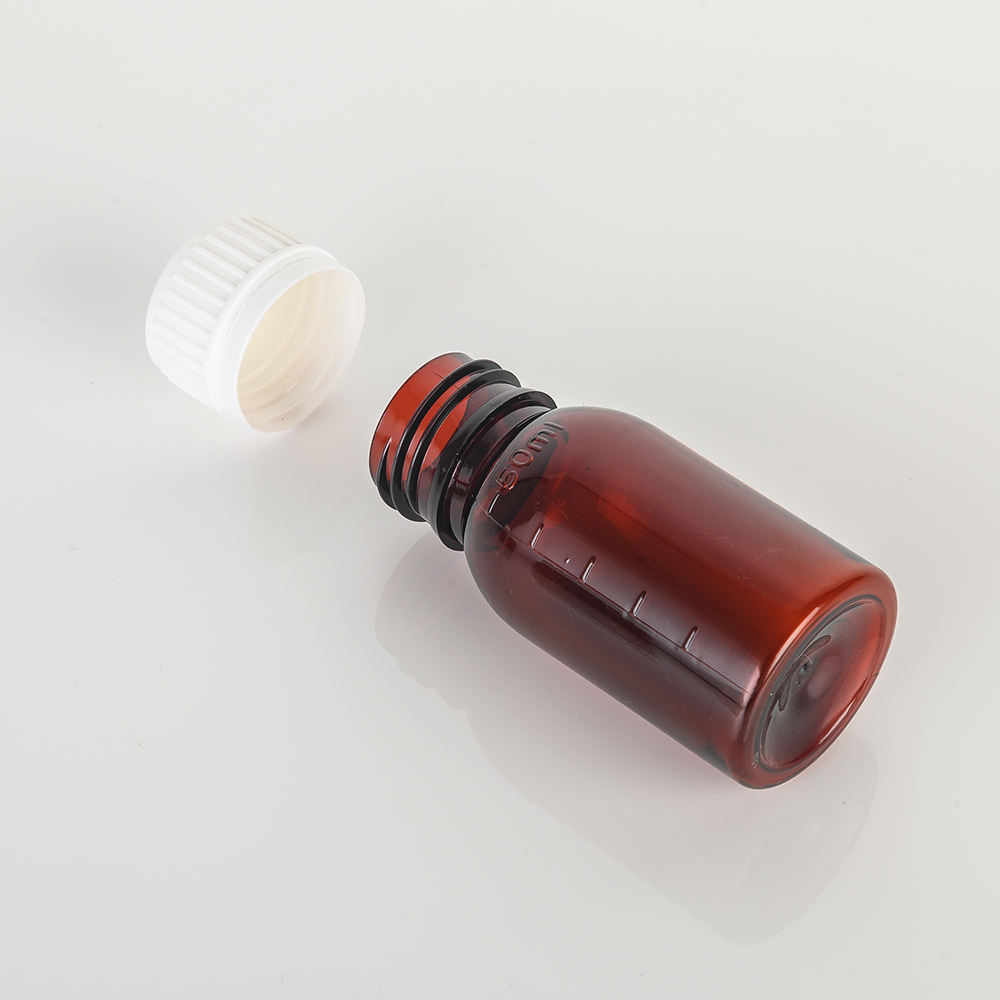
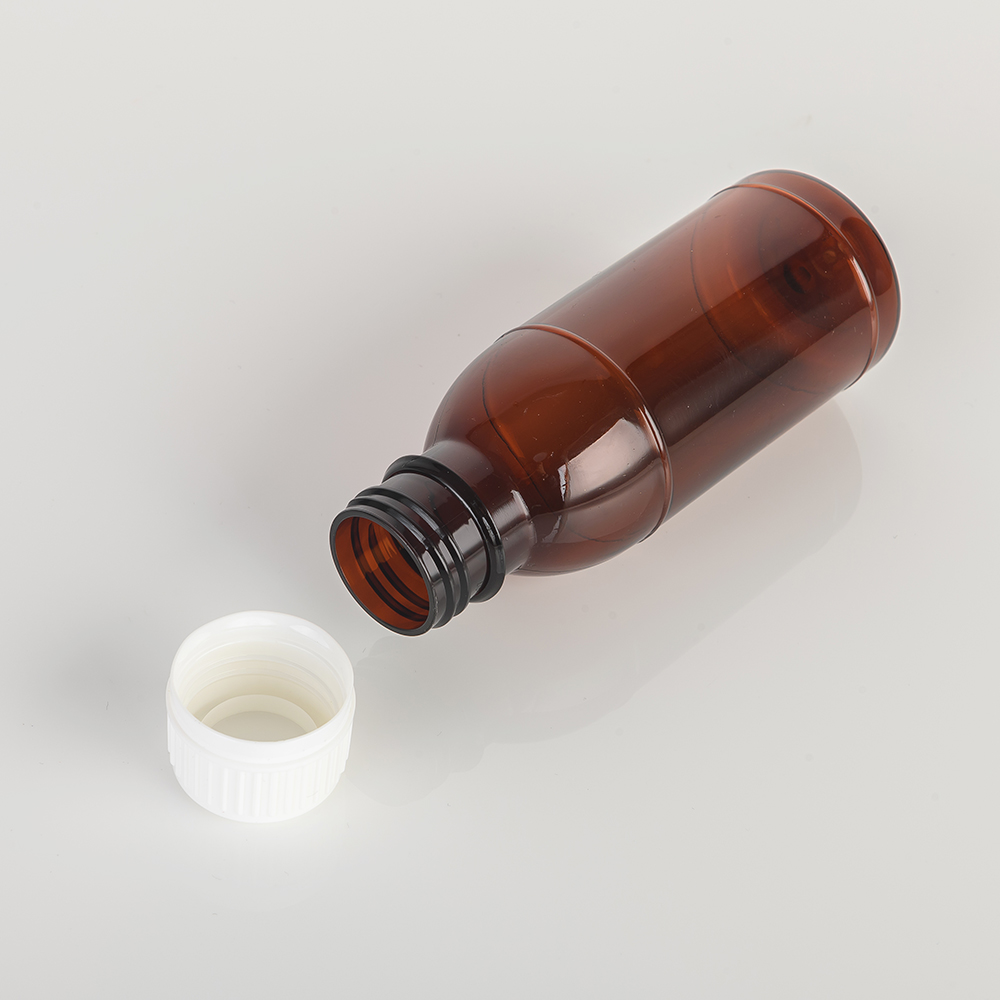
Drug bottles represent essential pharmaceutical packaging solutions designed to safely store, preserve, and dispense various medications including tablets, capsules, liquids, and powders. These specialized containers serve as the critical interface between pharmaceutical manufacturers, healthcare providers, and patients, ensuring medication integrity from production facilities to end-users. Modern drug bottles incorporate sophisticated design elements that address multiple functional requirements including protection from environmental factors, contamination prevention, dosage accuracy, and regulatory compliance. The primary functions of drug bottles extend beyond simple containment, encompassing crucial roles in maintaining medication potency, preventing moisture ingress, blocking harmful UV light exposure, and providing tamper-evident security features that safeguard patient safety. Technological advancements have transformed traditional drug bottles into intelligent packaging systems featuring child-resistant closures, senior-friendly opening mechanisms, integrated desiccants for moisture control, and specialized barrier materials that extend shelf life significantly. These containers accommodate diverse pharmaceutical formulations ranging from solid oral dosages to sensitive biologics requiring enhanced protection. Applications span across retail pharmacies, hospital dispensaries, clinical trial programs, veterinary medicine, and home healthcare settings where reliable medication storage proves indispensable. The material composition of drug bottles varies strategically, with options including high-density polyethylene, polypropylene, polyethylene terephthalate, and amber or clear glass, each selected based on specific compatibility requirements with different drug formulations. Manufacturing processes ensure dimensional consistency, contamination-free production environments, and adherence to stringent quality standards established by regulatory authorities worldwide. Contemporary drug bottles integrate user-centric features such as easy-grip contours, large-print labeling areas, and dosage measurement markings that enhance patient compliance and medication administration accuracy. The packaging industry continues innovating drug bottle designs to address emerging challenges including sustainability concerns, smart packaging integration, and enhanced accessibility for diverse patient populations with varying physical capabilities and healthcare needs.

New Products

Drug bottles deliver numerous practical benefits that directly impact medication safety, operational efficiency, and patient outcomes in meaningful ways. These containers provide superior protection against environmental degradation, shielding sensitive pharmaceutical compounds from moisture, oxygen, light exposure, and temperature fluctuations that could compromise therapeutic effectiveness. This protective capability translates into extended shelf life, reduced medication waste, and greater confidence in product quality throughout the distribution chain. The versatility of drug bottles accommodates an extensive range of pharmaceutical products, from common over-the-counter analgesics to specialized prescription medications, offering manufacturers a standardized packaging solution that simplifies inventory management and production planning. Cost-effectiveness represents another significant advantage, as drug bottles utilize economical materials and efficient manufacturing processes that keep packaging expenses reasonable without sacrificing quality or safety standards. This economic efficiency benefits both pharmaceutical companies and consumers by contributing to more affordable medication pricing. Safety features integrated into drug bottles provide essential protection for vulnerable populations, particularly children who might accidentally access medications. Child-resistant closures have proven remarkably effective in preventing unintended ingestion incidents, while reversible cap designs allow senior users easier access when needed. Tamper-evident seals and bands give consumers immediate visual confirmation that products remain unopened and uncompromised, building trust and ensuring authenticity. Drug bottles support accurate dosing through clear volume markings, measurement graduations, and compatible dispensing aids that help patients and caregivers administer correct amounts consistently. This dosing precision reduces medication errors, improves treatment adherence, and enhances therapeutic outcomes across diverse patient populations. The durability of modern drug bottles ensures they withstand routine handling, transportation stresses, and storage conditions without cracking, leaking, or failing prematurely. This reliability minimizes product loss, reduces contamination risks, and maintains medication integrity from manufacturing through final consumption. Regulatory compliance becomes streamlined with drug bottles designed to meet international pharmaceutical packaging standards, facilitating market access across multiple jurisdictions and reducing compliance burdens for manufacturers. The labeling surfaces on drug bottles provide ample space for required information including dosage instructions, ingredient listings, expiration dates, and safety warnings, ensuring patients receive complete medication guidance. Sustainability improvements in drug bottle manufacturing now incorporate recyclable materials, lightweighting strategies, and reduced environmental footprints that align with corporate responsibility goals and consumer preferences for eco-conscious products. Compatibility with automated dispensing systems, robotic handling equipment, and high-speed filling lines makes drug bottles ideal for modern pharmaceutical operations seeking efficiency gains and quality consistency.

Tips And Tricks

Our advantage

10

Mar

Our advantage

View More
TAIZHOU ZONG LV SHU PACKING CO., LTD

17

Mar

TAIZHOU ZONG LV SHU PACKING CO., LTD

View More

Get a Free Quote

Our representative will contact you soon.
Email
Mobile/WhatsApp
Name
Company Name
Message
0/1000

drug bottles

Advanced Material Technology for Optimal Medication Preservation

Advanced Material Technology for Optimal Medication Preservation

The material science behind modern drug bottles represents a sophisticated approach to pharmaceutical packaging that directly impacts medication stability, longevity, and therapeutic efficacy. Manufacturers select specific polymer compositions and glass formulations based on rigorous compatibility testing with various pharmaceutical compounds, ensuring no adverse chemical interactions occur between container and contents. High-density polyethylene drug bottles offer exceptional moisture barrier properties, making them ideal for moisture-sensitive tablets and capsules that degrade when exposed to humidity. This material naturally resists chemical penetration while maintaining structural integrity across wide temperature ranges, from refrigerated storage to ambient pharmacy conditions. Polypropylene variants provide superior clarity for liquid formulations where visual inspection remains important, while offering excellent resistance to acids, bases, and organic solvents commonly found in pharmaceutical preparations. Amber-colored drug bottles incorporate light-blocking pigments that filter harmful ultraviolet and visible light wavelengths known to trigger photodegradation in light-sensitive medications including certain antibiotics, vitamins, and cardiovascular drugs. This protective feature extends medication potency significantly beyond what clear containers could achieve, reducing replacement costs and ensuring patients receive full therapeutic value. Glass drug bottles, particularly those meeting USP Type I standards, provide the ultimate inert packaging solution for highly reactive compounds, injectable medications, and biologics requiring absolute chemical neutrality. The non-porous surface of pharmaceutical-grade glass prevents permeation, leaching, or absorption that could alter medication concentration or introduce contaminants. Advanced barrier technologies now incorporate multi-layer construction in plastic drug bottles, combining different polymers to create synergistic protection against multiple environmental threats simultaneously. These engineered structures might feature an inner layer for chemical compatibility, a middle barrier layer blocking oxygen and moisture transmission, and an outer layer providing mechanical strength and printability. Desiccant integration directly into drug bottle closures or walls actively absorbs residual moisture, maintaining optimal internal humidity levels throughout the product lifecycle. This innovation proves particularly valuable for hygroscopic medications that rapidly deteriorate in moisture presence, eliminating the need for separate desiccant packets and simplifying packaging operations.
Comprehensive Safety Features Protecting Patients and Product Integrity

Comprehensive Safety Features Protecting Patients and Product Integrity

Safety considerations dominate drug bottle design philosophy, resulting in multiple protective mechanisms that work collectively to prevent accidents, ensure product authenticity, and maintain medication quality until consumption. Child-resistant closure systems represent perhaps the most recognized safety innovation, utilizing push-and-turn mechanisms, squeeze-and-turn operations, or specialized locking features that challenge young children while remaining accessible to most adults. These closures have dramatically reduced pediatric poisoning incidents since their widespread adoption, demonstrating measurable public health benefits that extend across all therapeutic categories. The engineering behind child-resistant drug bottles balances security with usability, recognizing that excessively difficult closures may discourage proper reclosure after each use, potentially creating different safety risks. Reversible caps address this concern by offering child-resistant security when installed in one orientation and easy-open convenience when flipped, accommodating households with varying needs and user capabilities. Tamper-evident features provide immediate visual indication if drug bottles have been opened or compromised after leaving manufacturing control. These mechanisms include breakaway bands that separate upon first opening, membrane seals requiring puncture for access, and shrink bands encompassing the closure-bottle interface. Such features combat counterfeiting, protect against malicious tampering, and give consumers confidence in product authenticity and safety. Induction sealing technology creates hermetic seals on drug bottles through electromagnetic heating, bonding foil membranes to container rims in contamination-free processes that ensure initial sterility and barrier integrity. This sealing method proves particularly effective for moisture-sensitive and oxygen-sensitive formulations requiring maximum protection. Serialization capabilities now integrated into drug bottle labeling enable track-and-trace functionality throughout supply chains, supporting regulatory compliance with pharmaceutical security requirements while enabling rapid response to quality issues or recall situations. Smart packaging innovations embed near-field communication chips, QR codes, or other digital identifiers into drug bottles, connecting physical packages to digital information systems that verify authenticity, provide extended patient education, and monitor medication adherence patterns. These technological enhancements transform traditional drug bottles into connected healthcare tools that support improved outcomes beyond simple containment functions.
User-Centric Design Elements Enhancing Medication Management and Compliance

User-Centric Design Elements Enhancing Medication Management and Compliance

Modern drug bottles incorporate thoughtful design features that recognize diverse user needs, physical capabilities, and medication management challenges faced by real patients in everyday contexts. Ergonomic considerations shape bottle contours, creating comfortable grip surfaces that accommodate hands affected by arthritis, reduced dexterity, or limited strength. Tactile features including raised grip patterns, finger grooves, and optimized diameter proportions make drug bottles easier to hold securely during opening and dispensing operations, reducing dropping incidents and improving user confidence. Large labeling areas on drug bottles accommodate bigger print sizes, high-contrast color schemes, and organized information hierarchies that improve readability for elderly patients and those with vision impairments. This accessible design approach ensures critical medication information remains comprehensible to the broadest possible patient population, supporting safe and effective medication use. Integrated measurement systems built into drug bottles assist accurate liquid medication dosing without requiring separate measuring devices. Graduated markings molded directly into container walls or specialized dosing chambers attached to caps enable precise measurement in common units including milliliters, teaspoons, and tablespoons. This convenience reduces dosing errors that frequently occur when patients improvise with household spoons showing significant volume variations. Wide-mouth openings on drug bottles facilitate easier medication access for patients with limited fine motor control, eliminating frustration associated with extracting tablets or capsules from narrow-necked containers. This seemingly simple feature significantly improves daily medication experience for populations managing chronic conditions requiring multiple medications. Medication reminder features integrated into some drug bottles include built-in timers, electronic caps displaying last-opening time, or visual indicator systems helping patients track whether daily doses were taken. These adherence support tools address the widespread challenge of medication non-compliance, which significantly compromises treatment effectiveness across numerous therapeutic areas. Dispensing aids compatible with drug bottles range from simple pour spouts for liquid medications to sophisticated counting mechanisms that deliver predetermined quantities of solid dosages. These accessories transform standard drug bottles into precision delivery systems supporting accurate administration while maintaining contamination protection. Stackable and space-efficient drug bottle designs help patients organize multiple medications in limited storage spaces, common in home medicine cabinets. Uniform dimensional standards enable stable stacking configurations while clear labeling visibility from multiple angles facilitates quick medication identification. Sustainable design improvements in drug bottles now emphasize recyclability, reduced material usage, and compatibility with circular economy principles, addressing growing consumer concern about environmental impacts without compromising essential protective and safety functions.

Get a Free Quote

Our representative will contact you soon.
Email
Mobile/WhatsApp
Name
Company Name
Message
0/1000