Premium Prescription Pill Bottles - Child-Resistant Medication Storage Solutions

All Categories

Get a Free Quote

Our representative will contact you soon.
Email
Mobile/WhatsApp
Name
Company Name
Message
0/1000

prescription pill bottle

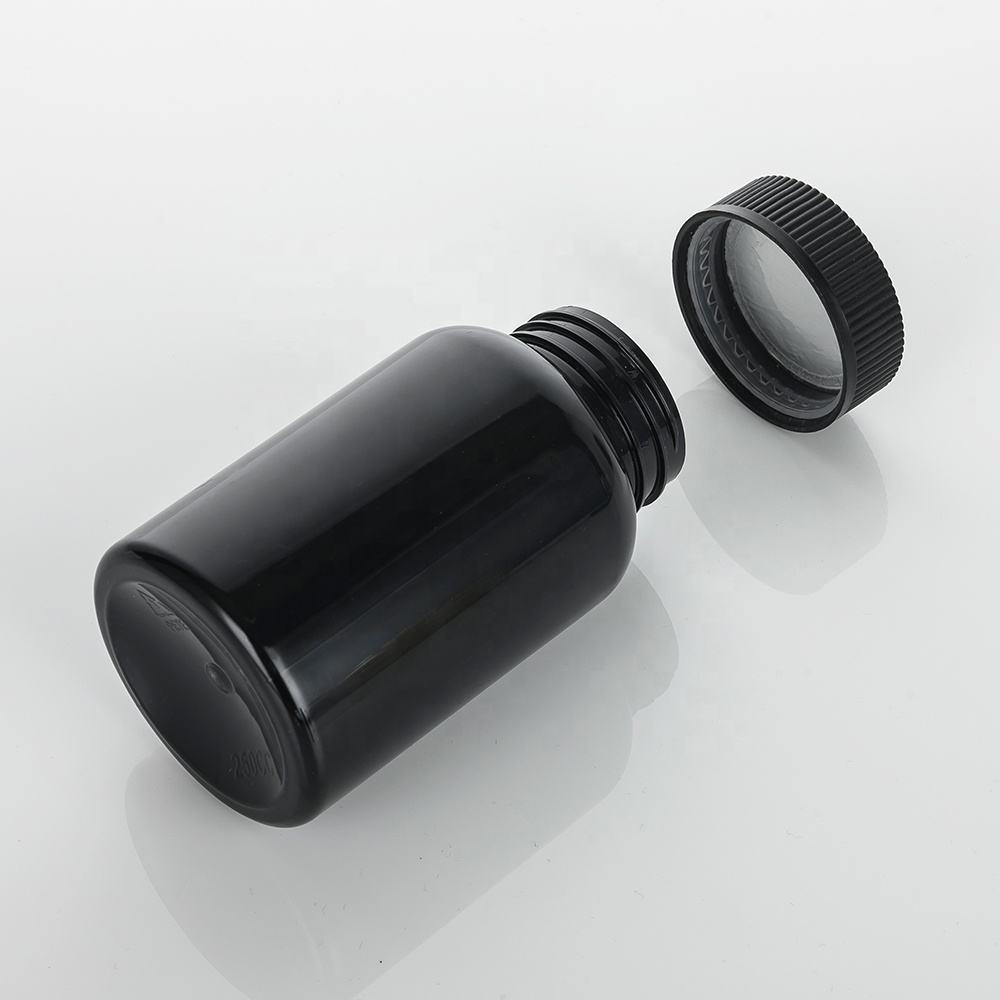
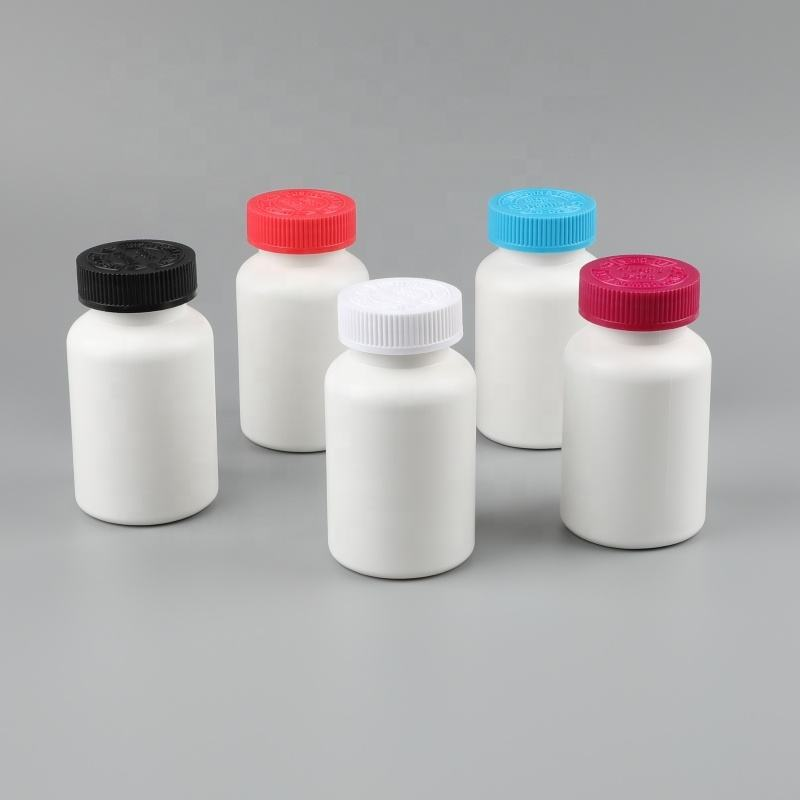
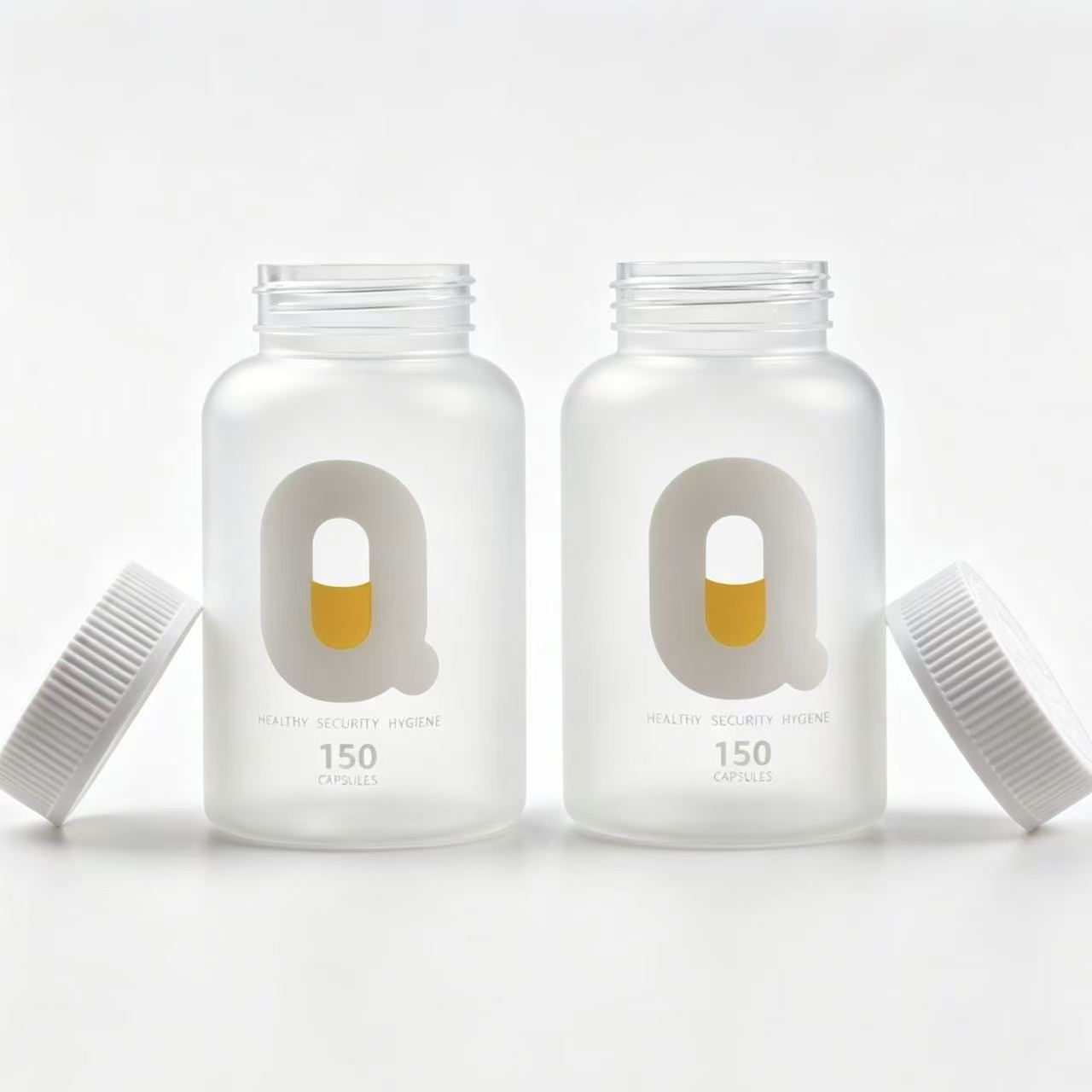
A prescription pill bottle serves as an essential medical container designed to safely store and dispense prescribed medications while providing crucial information to patients and healthcare providers. This specialized pharmaceutical packaging solution combines durability, safety features, and regulatory compliance to ensure medications remain protected from environmental factors while delivering vital dosage instructions and warning labels. The prescription pill bottle represents a critical component in the healthcare delivery system, bridging the gap between pharmacy dispensing and patient medication adherence. Modern prescription pill bottles incorporate child-resistant caps that meet stringent safety standards, preventing accidental ingestion by young children while remaining accessible to adults. These containers typically feature opaque or amber-colored plastic construction that shields light-sensitive medications from UV exposure and degradation. The cylindrical design maximizes storage efficiency in medicine cabinets and pharmacy shelves while providing ample surface area for comprehensive labeling requirements. Each prescription pill bottle includes mandatory information such as patient name, prescriber details, medication name and strength, dosage instructions, refill information, and pharmacy contact details. Advanced versions now integrate smart technology features including RFID tags, QR codes, and digital tracking capabilities that enable patients to manage their medication schedules through smartphone applications. The standardized sizing system allows pharmacies to stock multiple volume options, accommodating prescription quantities from a few pills to ninety-day supplies. Material composition prioritizes food-grade plastics that prevent chemical interactions with medications while maintaining structural integrity throughout the prescription period. The threaded closure system ensures secure sealing, protecting contents from moisture, air, and contamination. Prescription pill bottles have evolved from simple containers into sophisticated medication management tools that support patient safety, regulatory compliance, and therapeutic effectiveness across diverse healthcare settings including retail pharmacies, hospitals, long-term care facilities, and mail-order prescription services.

New Products

The prescription pill bottle delivers substantial benefits that directly impact patient safety, medication effectiveness, and healthcare outcomes for individuals managing acute and chronic conditions. First and foremost, these containers provide superior protection for medications against environmental hazards that could compromise therapeutic potency. The moisture-resistant seal prevents humidity from affecting pill integrity, particularly important for medications that degrade when exposed to dampness. Light-blocking properties shield photosensitive drugs from ultraviolet radiation that accelerates chemical breakdown, ensuring patients receive full therapeutic value throughout the prescription period. The child-resistant closure mechanism significantly reduces accidental poisoning incidents among young children, incorporating push-and-turn or squeeze-and-turn designs that require coordination and strength beyond typical childhood capabilities. This safety feature has prevented countless emergency room visits and tragic accidents since its widespread adoption. For elderly patients and individuals with arthritis or limited hand strength, easy-open options remain available upon request, demonstrating how prescription pill bottles balance safety with accessibility. The clear labeling system eliminates confusion about medication identity, dosage schedules, and administration instructions, directly supporting adherence to prescribed treatment regimens. Patients can quickly verify they are taking the correct medication at the proper time, reducing errors that lead to therapeutic failure or adverse reactions. The permanent identification labels resist water and handling wear, maintaining legibility throughout extended treatment courses. Prescription pill bottles offer exceptional portability, allowing patients to carry medications safely during travel, work, and daily activities without risk of spillage or damage. The compact form factor fits easily into purses, briefcases, and luggage while protecting contents from crushing and contamination. Cost-effectiveness represents another significant advantage, as these standardized containers keep pharmacy operational expenses manageable, ultimately benefiting consumers through competitive prescription pricing. The recyclability of prescription pill bottles supports environmental sustainability efforts, with many municipalities accepting these containers in standard plastic recycling programs after label removal. Modern smart-enabled versions enhance medication management by sending refill reminders, tracking adherence patterns, and connecting patients with pharmacy services through integrated technology platforms. These innovations reduce medication non-adherence, which costs the healthcare system billions annually in preventable complications and hospitalizations. The tamper-evident features built into many prescription pill bottles provide additional security, allowing patients to detect if containers have been opened or compromised before initial use. This protection proves especially valuable for controlled substances and high-value medications. The standardized design facilitates efficient pharmacy workflows, enabling technicians to fill prescriptions quickly and accurately while maintaining quality control standards that protect patient safety and regulatory compliance.

Practical Tips

Our advantage

10

Mar

Our advantage

View More
TAIZHOU ZONG LV SHU PACKING CO., LTD

17

Mar

TAIZHOU ZONG LV SHU PACKING CO., LTD

View More

Get a Free Quote

Our representative will contact you soon.
Email
Mobile/WhatsApp
Name
Company Name
Message
0/1000

prescription pill bottle

Advanced Child-Resistant Safety Technology That Protects Families

Advanced Child-Resistant Safety Technology That Protects Families

The prescription pill bottle incorporates sophisticated child-resistant closure systems that represent one of the most important safety innovations in pharmaceutical packaging history. These specialized caps utilize mechanical designs that require simultaneous actions or specific force applications that exceed the physical capabilities of children under five years old, the demographic most vulnerable to accidental medication poisoning. The most common mechanism involves a push-and-turn system where users must apply downward pressure while simultaneously rotating the cap, a coordinated movement that young children cannot execute effectively. Alternative designs include squeeze-and-turn mechanisms that demand lateral compression of opposing panels while twisting, creating another barrier that protects curious toddlers from accessing potentially dangerous medications. These safety features comply with rigorous testing protocols established by the Consumer Product Safety Commission and the Poison Prevention Packaging Act, which mandate that at least eighty-five percent of children under five cannot open the container within a five-minute testing period, while at least ninety percent of adults can successfully open and reclose the package. The prescription pill bottle child-resistant technology has dramatically reduced pediatric poisoning incidents since mandatory implementation, saving countless lives and preventing serious medical emergencies. However, manufacturers have carefully balanced safety with accessibility, recognizing that overly complex closures frustrate legitimate users and may lead to non-compliance with medication regimens. For patients with arthritis, reduced hand strength, or dexterity limitations, pharmacies can provide easy-open caps upon request, ensuring medication access while documenting patient preference for liability protection. The amber or opaque plastic construction of the prescription pill bottle works synergistically with the child-resistant cap to create multiple protective barriers, preventing both unauthorized access and environmental degradation of medications. Some advanced prescription pill bottle designs now incorporate smart locking mechanisms that release only at scheduled dosing times, adding another layer of safety for households with children or individuals at risk for medication misuse. The textured grip surfaces on many child-resistant caps assist adult users in achieving proper closure, ensuring the safety mechanism remains effective between doses. Education materials often accompany prescription pill bottles to help patients understand proper opening techniques and the importance of always reengaging the child-resistant feature after each use. This combination of engineering excellence and user-centered design makes the prescription pill bottle an indispensable tool for safe medication storage in family environments where protection of vulnerable individuals remains paramount.
Comprehensive Labeling System That Eliminates Medication Confusion

Comprehensive Labeling System That Eliminates Medication Confusion

The prescription pill bottle features an extensively designed labeling system that serves as the primary communication interface between healthcare providers, pharmacists, and patients, delivering critical information that ensures safe and effective medication use. This comprehensive identification system includes multiple mandatory elements that meet federal and state regulatory requirements while providing practical guidance for daily medication management. The patient name appears prominently to prevent mix-ups in households where multiple family members take medications, a simple but crucial safety feature that reduces administration errors. The prescribing physician information establishes medical accountability and provides a contact resource if questions arise about treatment protocols. The medication name appears in both generic and brand formulations when applicable, helping patients recognize their drugs regardless of manufacturer changes between refills. Strength specifications clearly indicate the potency of each dose unit, preventing confusion when patients take multiple medications or when prescriptions change over time. The prescription pill bottle label includes explicit dosage instructions that translate complex medical directions into plain language, such as take one tablet by mouth twice daily with food, eliminating ambiguity about administration timing and method. Refill information indicates how many times the prescription can be renewed without a new doctor visit, helping patients plan ahead for continued medication access. The pharmacy name, address, and phone number provide immediate contact resources for questions, concerns, or refill requests. Prescription numbers enable efficient tracking within pharmacy computer systems, streamlining the refill process and maintaining accurate medication histories. Expiration dates warn patients when medication potency may decline, preventing the use of degraded drugs that could prove ineffective or potentially harmful. Special warning labels in bright colors draw attention to critical safety information such as take with food, may cause drowsiness, or avoid alcohol, reducing the risk of adverse reactions and drug interactions. The prescription pill bottle labeling system increasingly incorporates visual aids including pictograms and color coding that transcend language barriers and assist patients with limited literacy skills. Barcode integration enables scanning verification at pharmacies and increasingly in home settings through smartphone applications that help patients confirm medication identity before administration. Some prescription pill bottles now feature secondary labels on the cap or body that provide abbreviated quick-reference dosing information, allowing patients to verify instructions without reading the complete primary label. The adhesive technology used for prescription pill bottle labels ensures permanent attachment that withstands handling, moisture exposure, and temperature variations throughout the medication use period. Larger font sizes for critical information accommodate patients with visual impairments, while high-contrast color schemes enhance readability in various lighting conditions. The standardized layout of prescription pill bottle labels helps patients quickly locate specific information through consistent positioning across different pharmacies and medication types. This sophisticated labeling system transforms the prescription pill bottle from a simple container into an intelligent communication tool that supports medication adherence, prevents errors, and empowers patients to take active roles in managing their health conditions effectively.
Durable Construction That Preserves Medication Integrity and Effectiveness

Durable Construction That Preserves Medication Integrity and Effectiveness

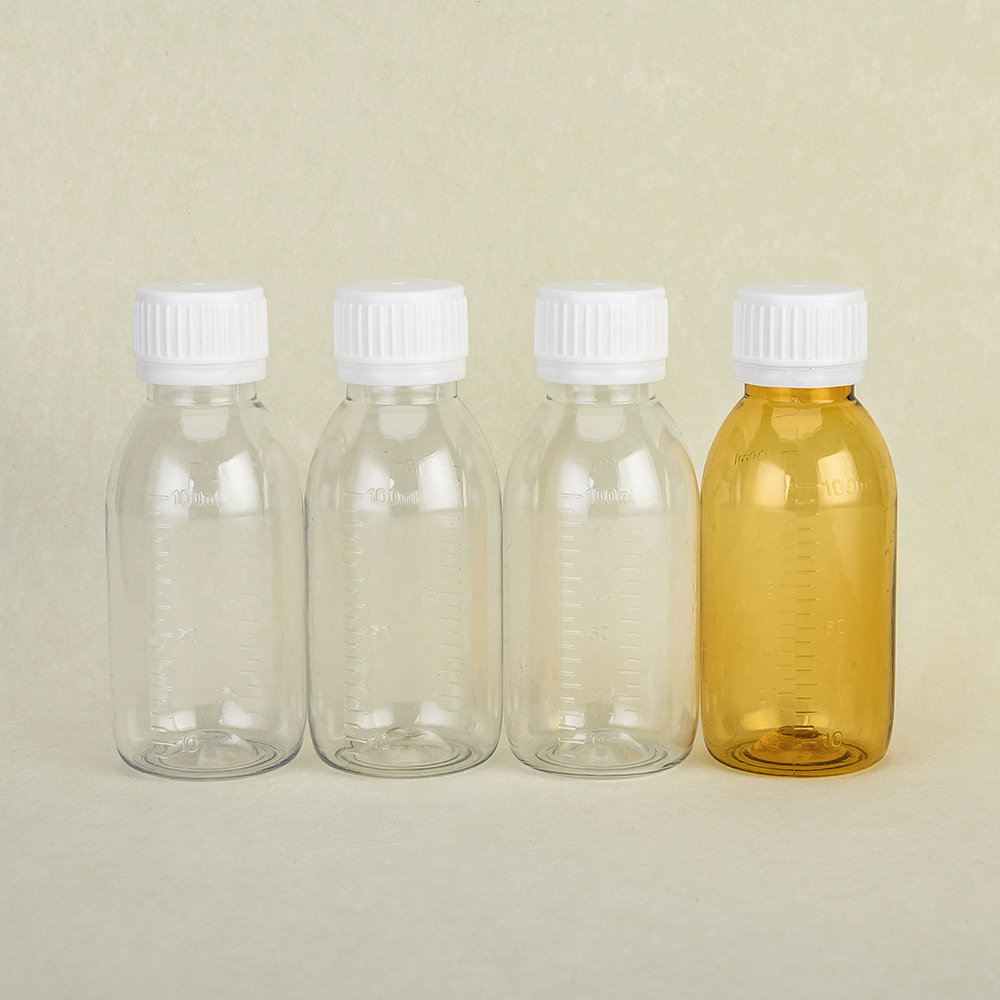
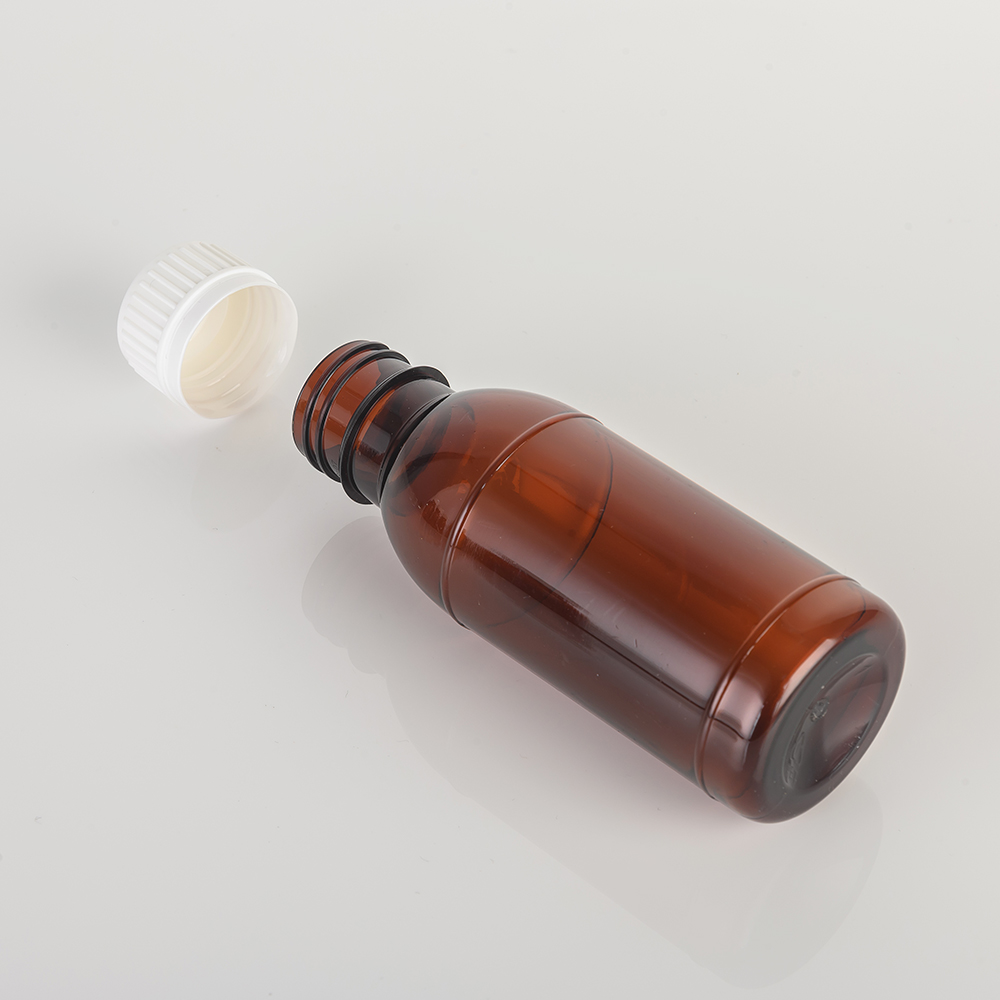
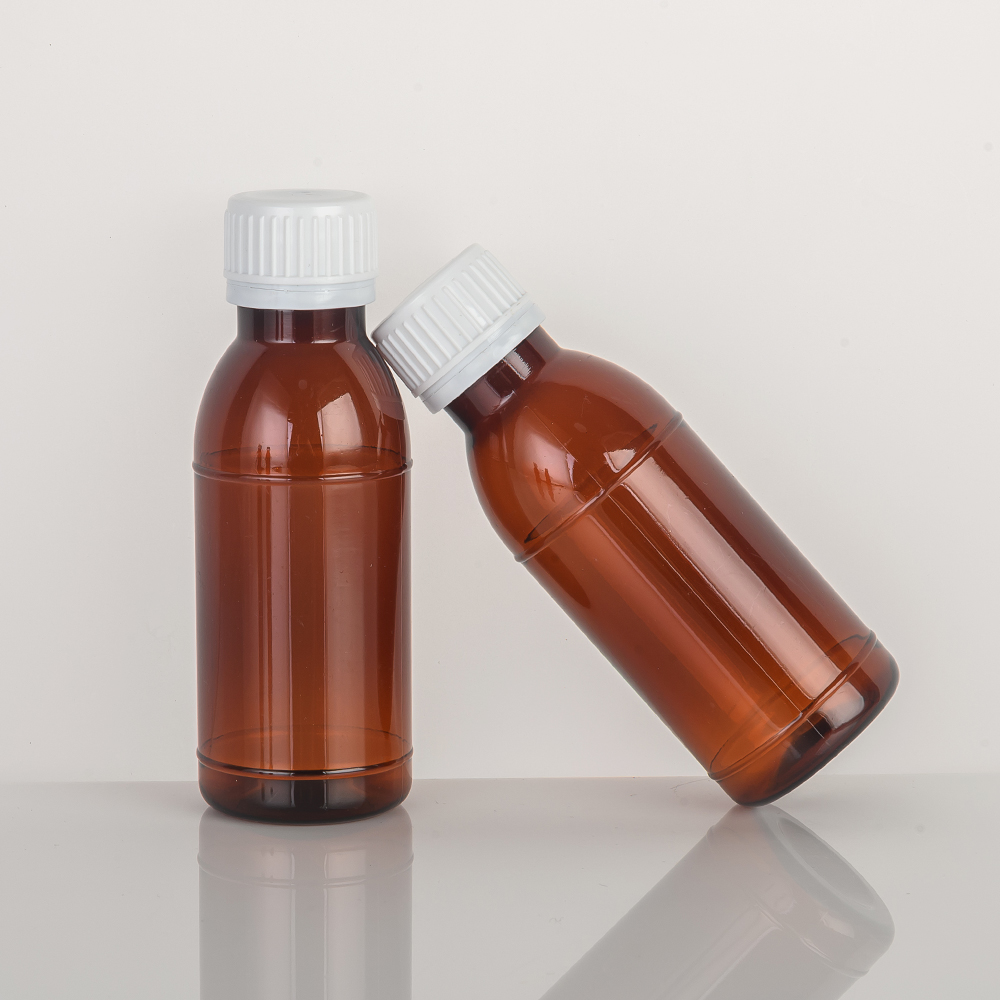
The prescription pill bottle utilizes high-quality pharmaceutical-grade materials and precision manufacturing processes that ensure medications remain stable, potent, and safe throughout the prescribed treatment duration. The container construction typically employs high-density polyethylene or polypropylene plastics specifically formulated to meet United States Pharmacopeia standards for pharmaceutical packaging, guaranteeing these materials will not leach chemicals into medications or react with drug compounds in ways that alter therapeutic properties. The amber coloration found in most prescription pill bottles provides essential ultraviolet light protection for photosensitive medications that degrade when exposed to sunlight or fluorescent lighting, maintaining drug potency that would otherwise diminish over time. Clear prescription pill bottles serve specific purposes for medications requiring visual inspection or those unaffected by light exposure, offering transparency that allows patients and pharmacists to verify contents without opening the container. The wall thickness of the prescription pill bottle achieves an optimal balance between material economy and structural strength, preventing crushing during normal handling while resisting puncture from sharp-edged tablets or external impacts during transport and storage. The smooth interior surfaces prevent medication particles from adhering to container walls, ensuring patients receive the full prescribed quantity without loss to residual coating. The precision-molded threads on prescription pill bottles create reliable engagement with closure caps, producing consistent compression of the sealing liner that prevents moisture infiltration and maintains protective atmosphere within the container. Cotton filler or silica gel desiccant packets included in some prescription pill bottles absorb residual moisture and maintain low humidity environments that extend shelf life for moisture-sensitive formulations. The chemical inertness of prescription pill bottle materials ensures compatibility with a vast range of pharmaceutical compounds including tablets, capsules, and gelcaps without risk of dissolution, swelling, or chemical interaction that could compromise medication safety. Temperature stability represents another critical performance characteristic, as prescription pill bottles maintain structural integrity across the temperature ranges encountered in typical storage environments from air-conditioned pharmacies to warm bathroom medicine cabinets. The recyclability of prescription pill bottle materials supports environmental sustainability initiatives, as these containers can be processed into new plastic products after proper cleaning and label removal, reducing landfill waste and conserving petroleum resources. The lightweight design minimizes shipping costs and environmental impact during distribution while maintaining protective qualities that heavier containers provide. Prescription pill bottles undergo rigorous quality control testing including drop tests, compression tests, and accelerated aging studies that simulate extended storage conditions, ensuring consistent performance that protects medication investments and patient health outcomes. The standardized sizing system for prescription pill bottles allows pharmacies to efficiently stock appropriate volumes for various prescription quantities, from small bottles holding a few days' supply to large containers accommodating ninety-day refills for maintenance medications. The wide-mouth opening of prescription pill bottles facilitates easy dispensing for patients with limited dexterity while accommodating various tablet and capsule sizes without requiring excessive container volume. This thoughtful engineering makes the prescription pill bottle an essential component of the pharmaceutical supply chain that reliably preserves medication quality from manufacturing through patient administration.

Get a Free Quote

Our representative will contact you soon.
Email
Mobile/WhatsApp
Name
Company Name
Message
0/1000