Premium Pharmacy Bottles - Medical-Grade Medication Storage Solutions for Healthcare Professionals

All Categories

Get a Free Quote

Our representative will contact you soon.
Email
Mobile/WhatsApp
Name
Company Name
Message
0/1000

pharmacy bottles

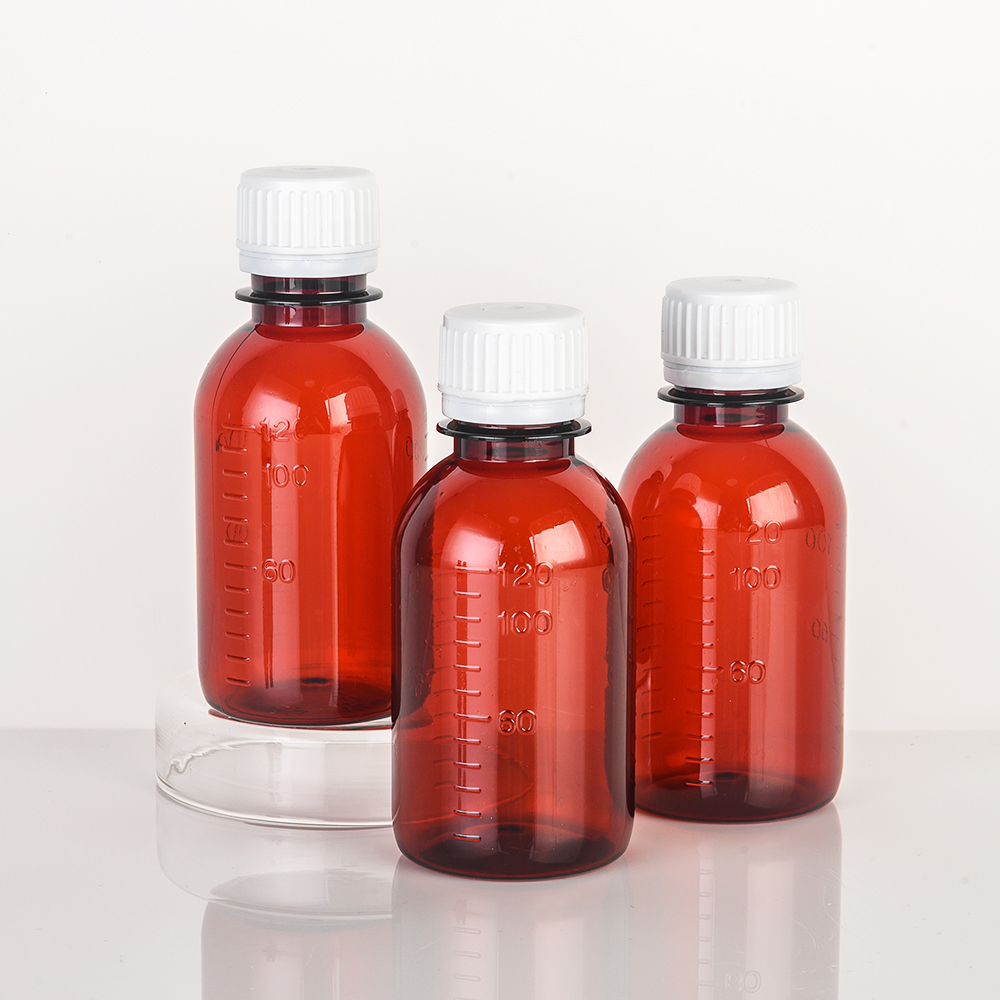
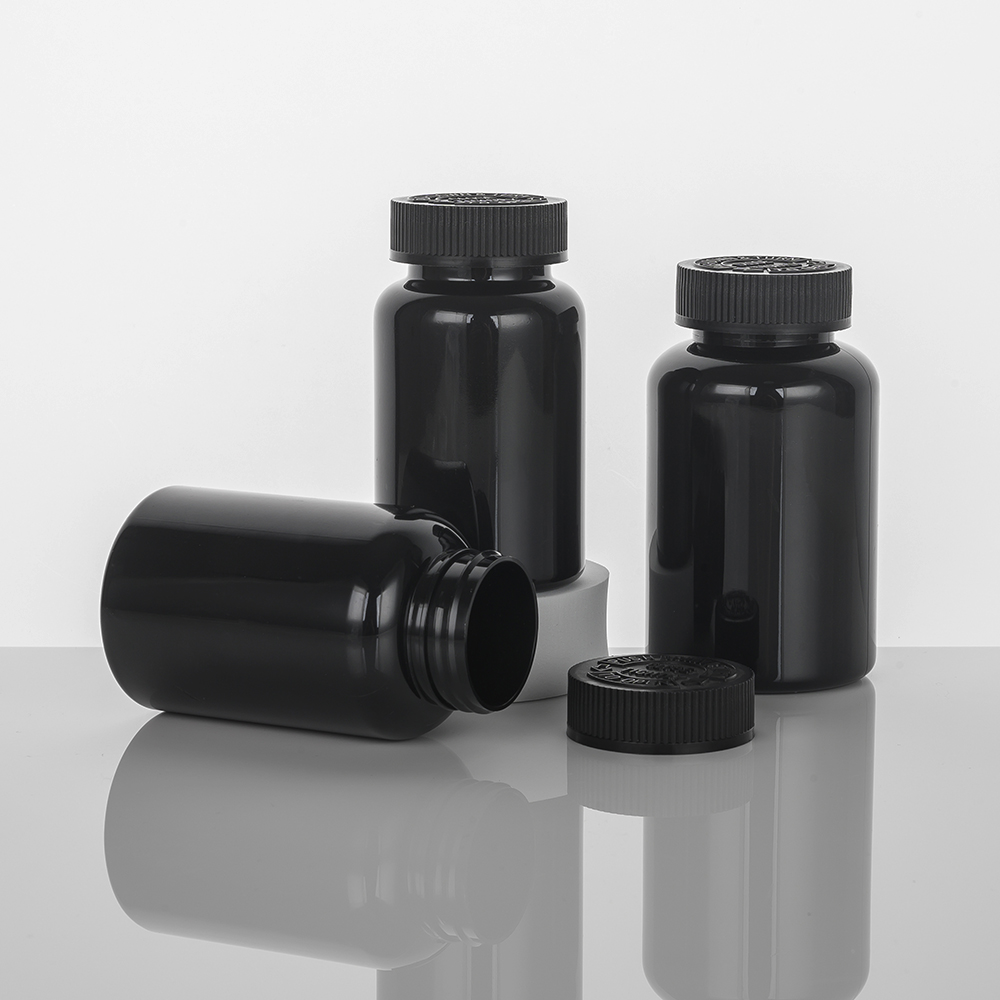
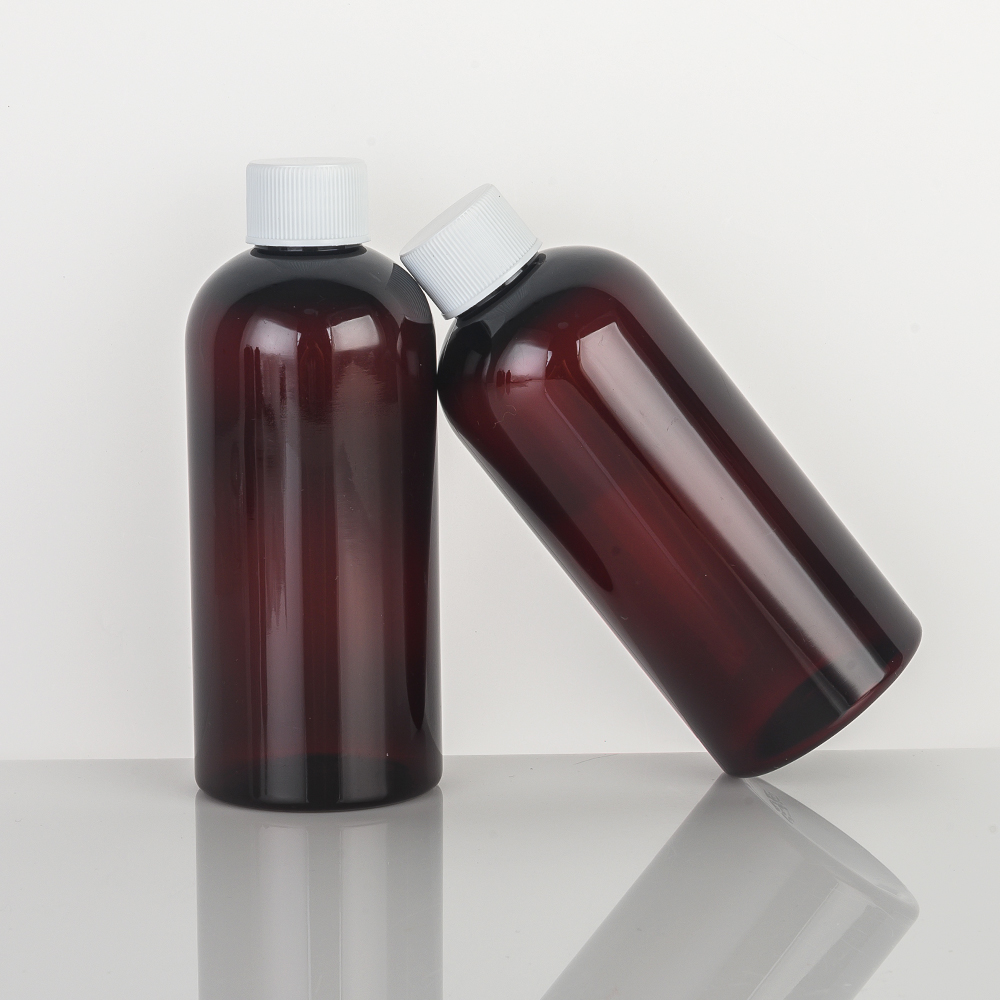
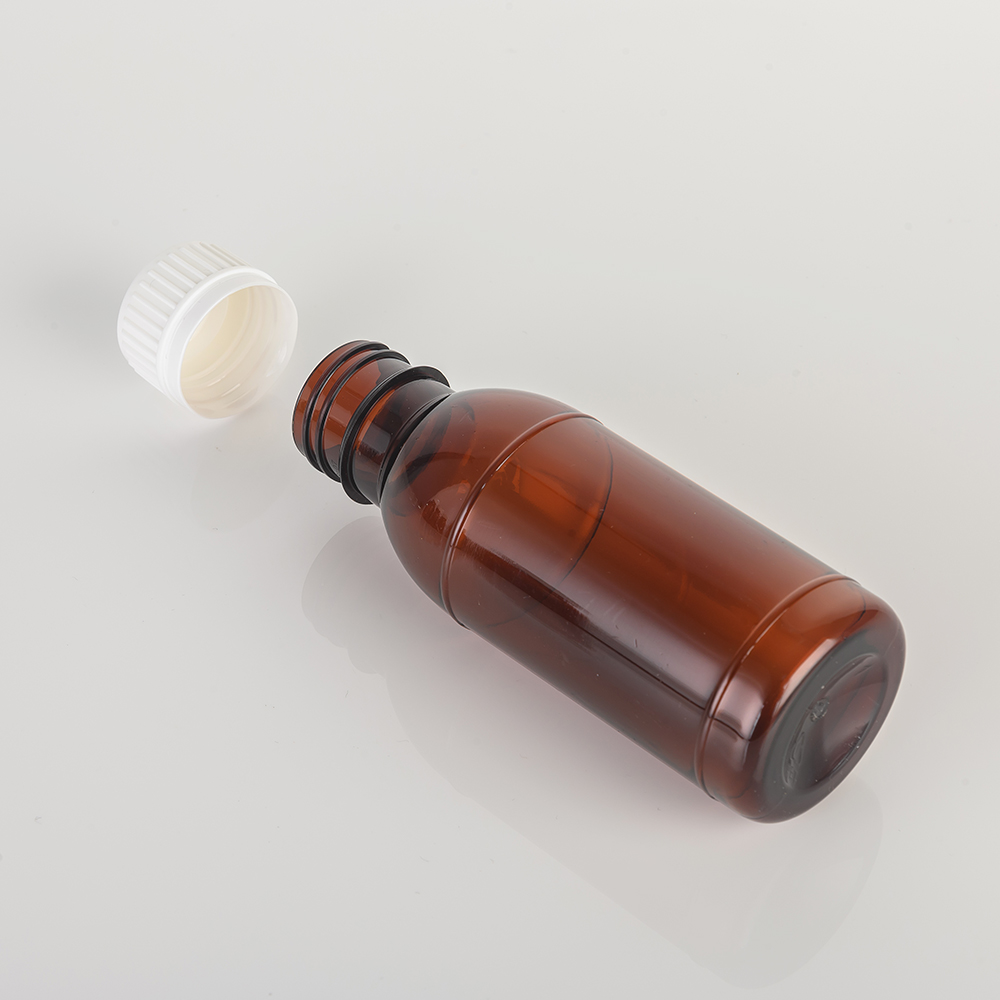
Pharmacy bottles represent essential containers specifically engineered for storing, dispensing, and protecting pharmaceutical products in healthcare environments. These specialized vessels serve as the primary packaging solution for prescription medications, over-the-counter drugs, vitamins, supplements, and various medical preparations. Pharmacy bottles combine precise manufacturing standards with practical design elements to ensure medication safety, proper dosage administration, and regulatory compliance. The main functions of pharmacy bottles include safeguarding medications from environmental factors such as moisture, light, and air exposure that could compromise drug efficacy. They provide tamper-evident seals and child-resistant closures that prevent unauthorized access while maintaining ease of use for adult patients. These containers facilitate accurate labeling with critical information including drug names, dosage instructions, expiration dates, and patient details. Modern pharmacy bottles incorporate advanced closure systems that maintain airtight seals, preventing contamination and preserving medication potency throughout the prescribed shelf life. The technological features embedded in contemporary pharmacy bottles reflect decades of pharmaceutical packaging innovation. Manufacturers utilize medical-grade materials such as high-density polyethylene, polypropylene, and amber-colored plastics that block harmful UV rays. Many designs include graduated measurement markings for liquid medications, enabling precise dose measurement. The bottles feature wide-mouth openings for easy filling and dispensing, while threaded neck finishes ensure secure cap attachment. Applications for pharmacy bottles span across retail pharmacies, hospital dispensaries, compounding facilities, veterinary clinics, and mail-order prescription services. They accommodate various medication forms including tablets, capsules, liquids, powders, and topical preparations. Healthcare providers rely on these containers to maintain drug stability during storage and transportation. Pharmacy bottles support medication adherence by providing clear visual identification and organized storage solutions. Their standardized sizes and shapes enable efficient inventory management and automated dispensing systems integration, making them indispensable tools in modern pharmaceutical distribution networks.

Popular Products

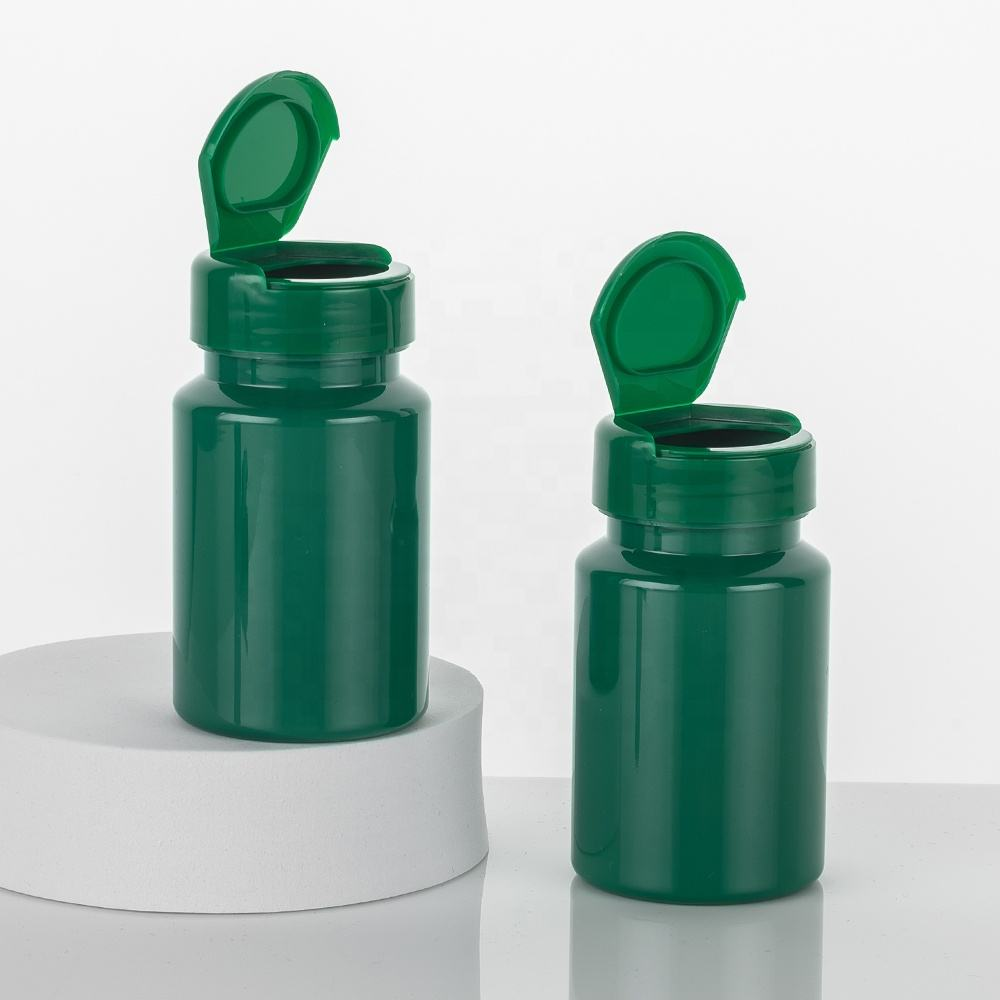
Pharmacy bottles deliver numerous practical benefits that directly impact patient safety, medication effectiveness, and healthcare operational efficiency. First and foremost, these containers provide superior protection mechanisms that extend medication shelf life and maintain therapeutic potency. The specialized materials used in manufacturing pharmacy bottles create effective barriers against moisture infiltration, which is particularly crucial for medications sensitive to humidity. This protective quality ensures that patients receive drugs at full strength, maximizing treatment outcomes and reducing waste from degraded medications. The cost-effectiveness of pharmacy bottles makes them an economical choice for healthcare facilities and patients alike. Their durable construction allows for repeated handling without compromising structural integrity, reducing replacement costs and minimizing packaging waste. The standardized sizing system enables bulk purchasing and streamlined inventory management, lowering operational expenses for pharmacies and medical centers. Child-resistant caps incorporated into pharmacy bottles provide peace of mind for families with young children, significantly reducing accidental ingestion incidents. These safety features comply with strict regulatory requirements while remaining accessible to adults, including elderly patients who may have limited dexterity. The balance between security and usability represents a key advantage that protects vulnerable populations without creating barriers to medication access. Labeling compatibility stands as another significant benefit, as pharmacy bottles accept various adhesive labels and direct printing methods. This versatility ensures clear communication of essential medication information, dosing schedules, and safety warnings. Healthcare providers can easily update or modify labels as treatment plans change, supporting personalized patient care. The lightweight nature of pharmacy bottles reduces shipping costs and transportation energy consumption compared to glass alternatives. This characteristic benefits mail-order pharmacies and patients receiving home delivery services, making medication access more convenient and affordable. Environmental considerations have led to recyclable pharmacy bottle options that support sustainability initiatives without sacrificing performance standards. The transparent and amber-colored varieties allow visual inspection of contents, enabling patients and pharmacists to verify medication appearance and detect potential contamination or degradation. This transparency promotes quality control and builds patient confidence in their prescribed treatments. Compatibility with automated dispensing systems enhances workflow efficiency in busy pharmacy settings, reducing wait times and minimizing human error. The standardized dimensions allow robots and counting machines to process prescriptions rapidly while maintaining accuracy. Pharmacy bottles accommodate various closure types beyond standard screw caps, including flip-top lids, dropper assemblies, and spray mechanisms. This adaptability makes them suitable for diverse medication delivery methods, from oral liquids to nasal sprays and topical solutions. The versatility extends product utility across multiple therapeutic categories, simplifying inventory requirements for healthcare providers. Temperature resistance properties ensure pharmacy bottles maintain structural stability across storage conditions, from refrigerated environments to ambient room temperatures. This reliability prevents container deformation that could compromise seal integrity or medication quality, supporting consistent drug delivery throughout treatment courses.

Practical Tips

Our advantage

10

Mar

Our advantage

View More
TAIZHOU ZONG LV SHU PACKING CO., LTD

17

Mar

TAIZHOU ZONG LV SHU PACKING CO., LTD

View More

Get a Free Quote

Our representative will contact you soon.
Email
Mobile/WhatsApp
Name
Company Name
Message
0/1000

pharmacy bottles

Advanced Material Composition and Protective Properties

Advanced Material Composition and Protective Properties

The material science behind pharmacy bottles represents a sophisticated blend of chemistry and engineering designed to create optimal storage conditions for sensitive pharmaceutical compounds. Modern pharmacy bottles utilize high-density polyethylene and polypropylene polymers selected for their exceptional chemical resistance, ensuring they do not react with medication contents or leach harmful substances into stored drugs. These medical-grade plastics undergo rigorous testing to meet United States Pharmacopeia standards and Food and Drug Administration regulations governing pharmaceutical packaging materials. The molecular structure of these polymers creates an effective moisture barrier that prevents water vapor transmission, which is critical for hygiene-sensitive medications including certain antibiotics, hormone preparations, and dietary supplements that rapidly degrade in humid conditions. Amber-colored pharmacy bottles incorporate special pigments that filter ultraviolet and visible light wavelengths known to trigger photodegradation in light-sensitive medications such as certain vitamins, antibiotics, and cardiovascular drugs. This light-blocking technology extends medication stability and preserves therapeutic effectiveness significantly longer than clear containers, reducing waste and ensuring patients receive full-potency treatments. The thickness and density of bottle walls are precisely calibrated to provide structural strength while minimizing material usage, striking an optimal balance between protection and sustainability. Manufacturing processes employ injection molding and blow molding techniques that produce seamless constructions without weak points or joints where contamination could enter. Quality control measures include leak testing, dimensional verification, and material composition analysis to ensure every pharmacy bottle meets strict pharmaceutical packaging standards. The inert nature of these materials prevents chemical interactions that could alter medication pH levels, dissolution rates, or active ingredient stability. This chemical compatibility extends across acidic, alkaline, and neutral formulations, making pharmacy bottles universally applicable across therapeutic categories. Surface treatments and coatings applied to some pharmacy bottles enhance static resistance, reducing dust attraction that could compromise cleanliness in sterile environments. The recyclability of these materials supports environmental responsibility initiatives while maintaining the rigorous safety and performance standards essential for pharmaceutical applications. Thermal stability characteristics allow pharmacy bottles to withstand temperature fluctuations during shipping and storage without warping, cracking, or losing seal integrity, ensuring medication protection throughout distribution chains spanning various climate zones and seasonal conditions.
Comprehensive Safety Features and Regulatory Compliance

Comprehensive Safety Features and Regulatory Compliance

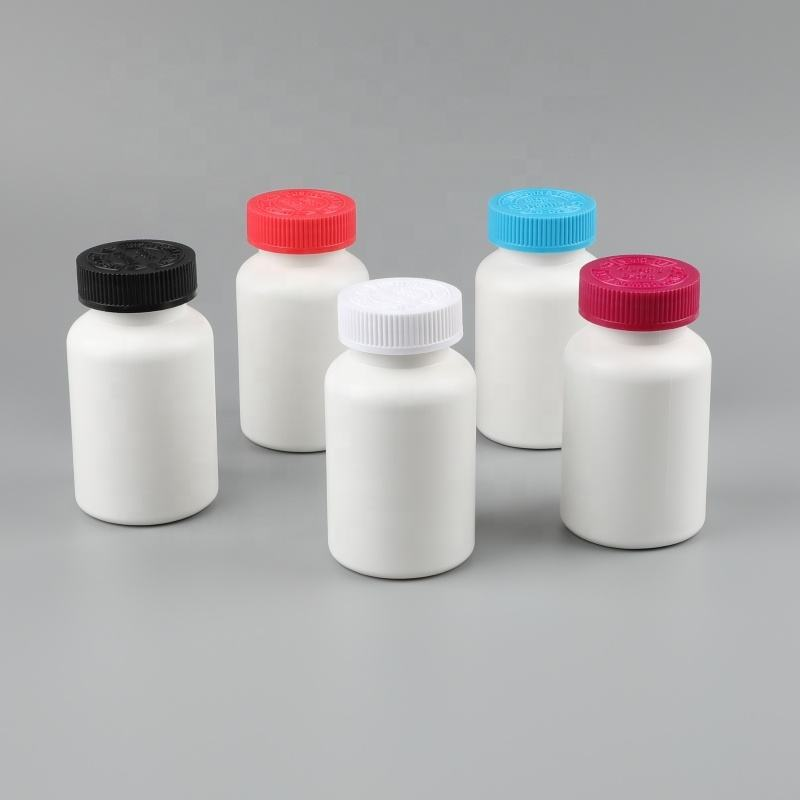
Pharmacy bottles incorporate multiple layers of safety engineering that protect patients, particularly vulnerable populations including children and elderly individuals with cognitive impairments. Child-resistant closure systems represent the most recognizable safety feature, employing mechanical designs that require simultaneous actions such as pushing down while turning, which young children typically cannot perform but remain manageable for most adults. These closures comply with Consumer Product Safety Commission protocols requiring that at least eighty-five percent of children under five years cannot open the container within five minutes, while ninety percent of adults can successfully access contents. Tamper-evident features provide visual confirmation that pharmacy bottles have not been opened or compromised since dispensing, building patient confidence and enabling detection of potential product tampering. These mechanisms include breakaway bands, shrink sleeves, and induction seals that show clear evidence of disturbance, addressing safety concerns heightened by historical incidents of medication adulteration. The closure systems maintain consistent torque specifications that balance secure sealing with reasonable opening force requirements, accommodating patients with arthritis or reduced hand strength who might struggle with overly tight caps. Pharmacy bottles designed for liquid medications often incorporate calibrated droppers or measuring cups that promote accurate dosing, reducing risks of underdosing that compromises treatment effectiveness or overdosing that could cause adverse reactions. The bottles meet stringent leak-proof standards preventing medication loss during transportation and storage, which is particularly important for expensive specialty pharmaceuticals and hazardous substances requiring containment. Labeling areas on pharmacy bottles provide adequate space for required information including drug names, strength, patient identifiers, prescriber details, dispensing pharmacy information, usage instructions, and safety warnings. This comprehensive information display supports medication adherence and informed patient decision-making while satisfying legal documentation requirements. Material certifications verify that pharmacy bottles contain no bisphenol-A or phthalates, addressing health concerns about endocrine-disrupting chemicals potentially leaching into medications. Standardized color coding systems using amber, blue, and other tinted bottles help differentiate medication categories, reducing selection errors in busy pharmacy environments and home medicine cabinets containing multiple prescriptions. The bottles accommodate both pressure-sensitive labels and direct printing technologies, ensuring information remains legible throughout the medication use period despite handling and environmental exposure. Batch coding and lot number tracking capabilities embedded in pharmacy bottle designs support recall procedures and supply chain management, enabling rapid identification and removal of affected products if quality issues arise. Compatibility with serialization requirements under the Drug Supply Chain Security Act enables track-and-trace capabilities that combat counterfeit medications and enhance pharmaceutical distribution security throughout the healthcare system.
Versatile Applications and Healthcare Integration Benefits

Versatile Applications and Healthcare Integration Benefits

Pharmacy bottles demonstrate remarkable adaptability across diverse healthcare settings and medication types, making them indispensable tools in modern pharmaceutical care delivery. Retail community pharmacies depend on pharmacy bottles for dispensing prescription medications to outpatients, with standardized sizes ranging from small containers holding thirty tablets to large bottles accommodating ninety-day supplies that support medication adherence through reduced refill frequency. Hospital pharmacy departments utilize these containers for unit-dose packaging, floor stock supplies, and discharge medications, integrating seamlessly with automated dispensing cabinets and medication administration record systems that reduce errors and improve workflow efficiency. Compounding pharmacies rely on pharmacy bottles when preparing customized medication formulations, with the containers providing appropriate storage for unique preparations not available as commercial products, including specialized strengths, combination therapies, and formulations for patients with allergies to standard excipients. Veterinary applications represent a significant use case, as pharmacy bottles safely store animal medications including antibiotics, pain relievers, and supplements, with the same child-resistant and tamper-evident features protecting both animal patients and human family members. Long-term care facilities and assisted living communities use pharmacy bottles in medication cart systems and blister pack alternatives, supporting organized medication administration for residents requiring multiple daily medications. Mail-order and online pharmacy operations depend on the durability of pharmacy bottles during shipping, as the containers must withstand handling by multiple carriers and environmental conditions while protecting contents and maintaining regulatory compliance throughout delivery processes. Clinical trial supply chains utilize pharmacy bottles for investigational medications, with the containers supporting blinding requirements through opaque materials and accommodating specialized labeling for research protocols. Pharmacy bottles serve emergency medical services and first responder units by providing portable, secure storage for commonly administered medications in ambulances and emergency kits, with the durability ensuring reliability in demanding field conditions. Home healthcare providers supply patients with medications in pharmacy bottles that facilitate self-administration and caregiver assistance, with clear labeling supporting safe medication management outside traditional healthcare facilities. Medical mission organizations and disaster relief operations rely on pharmacy bottles for transporting and distributing essential medications in resource-limited settings, where the containers protect drugs from challenging environmental conditions including heat, humidity, and contamination risks. The standardization of pharmacy bottles enables compatibility with counting machines, automated filling systems, and robotic dispensing technologies that increase prescription processing speed while reducing human error in high-volume pharmacy operations. Pharmaceutical manufacturers use these containers for sample distributions, patient assistance programs, and starter packs, leveraging the professional appearance and protective qualities to ensure product quality reaches patients. Integration with inventory management software through barcode and RFID compatibility allows real-time tracking of medication supplies, expiration date monitoring, and automated reorder triggering that prevents stockouts and reduces waste from expired products, optimizing pharmaceutical supply chains across healthcare organizations.

Get a Free Quote

Our representative will contact you soon.
Email
Mobile/WhatsApp
Name
Company Name
Message
0/1000