Premium Drug Bottles for Safe Medication Storage and Protection | Pharmaceutical Grade Containers

All Categories

Get a Free Quote

Our representative will contact you soon.
Email
Mobile/WhatsApp
Name
Company Name
Message
0/1000

drug bottle

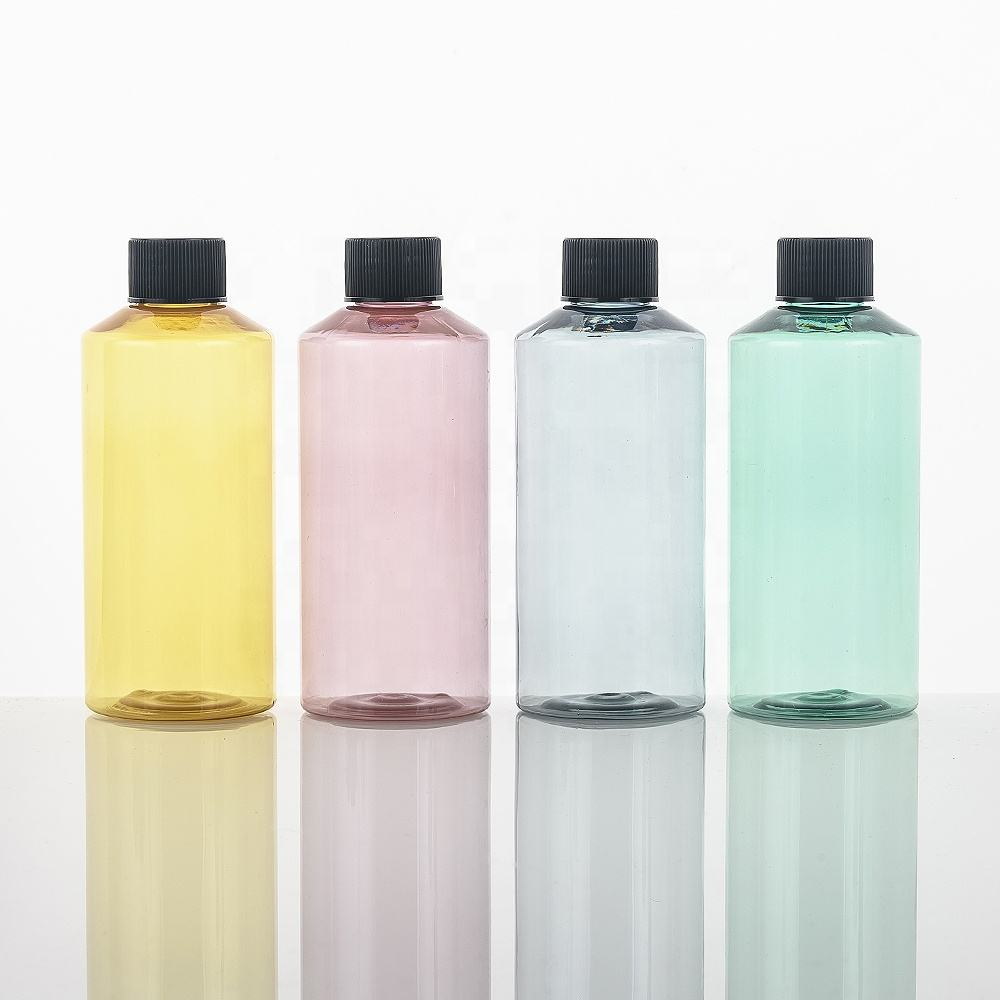
A drug bottle serves as an essential pharmaceutical container designed to store, protect, and dispense medications safely and effectively. These specialized vessels play a critical role in maintaining medication integrity from manufacturing facilities through distribution channels to end users. Modern drug bottles incorporate sophisticated design elements that address multiple concerns including contamination prevention, dosage accuracy, child safety, and regulatory compliance. The primary function of a drug bottle extends beyond simple storage, encompassing protection against environmental factors such as moisture, light, oxygen, and temperature fluctuations that could compromise medication stability. Drug bottles are manufactured using various materials including high-density polyethylene, polypropylene, amber glass, and other pharmaceutical-grade substances selected based on the specific chemical properties and requirements of the contained medication. The technological features integrated into contemporary drug bottles reflect decades of pharmaceutical innovation and patient safety research. These containers often include child-resistant closures that meet international safety standards, tamper-evident seals that provide visual confirmation of product integrity, and precision dispensing mechanisms that facilitate accurate dosing. Many drug bottles incorporate ultraviolet light barriers through amber or opaque materials, protecting photosensitive medications from degradation. The applications of drug bottles span the entire pharmaceutical spectrum, from prescription medications and over-the-counter drugs to vitamins, supplements, and liquid formulations. Healthcare facilities, retail pharmacies, hospital systems, and individual consumers rely on drug bottles daily to ensure medications remain effective until their expiration dates. The versatility of drug bottle designs accommodates various medication forms including tablets, capsules, liquids, powders, and controlled substances, each requiring specific container characteristics. As pharmaceutical technology advances, drug bottles continue evolving to meet emerging needs such as smart packaging with digital tracking capabilities, eco-friendly sustainable materials, and enhanced user accessibility features for elderly or disabled patients. The importance of selecting appropriate drug bottles cannot be overstated, as these containers directly impact medication efficacy, patient compliance, and overall healthcare outcomes.

Popular Products

Drug bottles offer numerous practical benefits that directly improve medication management and patient safety in everyday healthcare scenarios. The first major advantage centers on superior protection capabilities that keep medications fresh and potent throughout their intended shelf life. These containers create effective barriers against moisture infiltration, preventing tablets from crumbling or liquids from evaporating, which means your medications maintain their prescribed strength until the last dose. The airtight seals found in quality drug bottles block oxygen exposure that would otherwise trigger chemical degradation, ensuring each medication dose delivers the therapeutic effect your doctor intended. Another significant benefit involves the enhanced safety features that protect vulnerable family members, particularly young children who might mistake colorful pills for candy. Child-resistant caps require specific manipulation techniques that small hands cannot easily perform, dramatically reducing accidental ingestion incidents in households. Tamper-evident bands and seals provide immediate visual confirmation that no one has opened or contaminated the medication since leaving the manufacturing facility, giving you peace of mind about product authenticity and safety. The convenience factor represents another compelling advantage, as drug bottles are designed with user-friendly features that simplify daily medication routines. Wide-mouth openings facilitate easy access for people with limited dexterity or arthritis, while clearly labeled surfaces provide ample space for critical information including dosage instructions, expiration dates, and warning labels. Portable sizes allow patients to carry necessary medications during travel or work, maintaining treatment adherence regardless of location. Drug bottles also contribute to better organization within medicine cabinets and storage areas, with standardized shapes that stack efficiently and transparent or translucent materials that enable quick visual inventory checks without opening containers. The economic advantages deserve recognition as well, since durable drug bottles protect expensive medications from waste due to spoilage or contamination. Properly sealed containers extend usable medication life, reducing the frequency of prescription refills and associated costs. For healthcare facilities and pharmacies, reliable drug bottles minimize product loss from environmental exposure, improving inventory management and reducing overhead expenses. Environmental considerations have driven innovations in drug bottle manufacturing, with many modern containers produced from recyclable materials that reduce ecological impact. Some manufacturers now offer biodegradable options that decompose naturally without leaving harmful residues, appealing to environmentally conscious consumers. The versatility of drug bottles accommodates various dispensing needs, from precision droppers for liquid medications to wide openings for large vitamin tablets, ensuring optimal functionality across diverse pharmaceutical applications. These containers also support compliance tracking through dated labels and dose-counting features, helping patients and caregivers monitor medication consumption patterns and anticipate refill needs before supplies run out completely.

Latest News

Our advantage

10

Mar

Our advantage

View More
TAIZHOU ZONG LV SHU PACKING CO., LTD

17

Mar

TAIZHOU ZONG LV SHU PACKING CO., LTD

View More

Get a Free Quote

Our representative will contact you soon.
Email
Mobile/WhatsApp
Name
Company Name
Message
0/1000

drug bottle

Advanced Protective Technology for Maximum Medication Preservation

Advanced Protective Technology for Maximum Medication Preservation

The protective technology integrated into modern drug bottles represents a sophisticated engineering achievement that addresses the complex chemical stability requirements of pharmaceutical products. Every medication possesses unique sensitivity profiles to environmental factors, and drug bottles are specifically engineered to counteract these vulnerabilities through multiple protective layers. The material science behind drug bottles involves careful selection of polymers or glass compositions that create impermeable barriers against the primary enemies of medication stability: moisture, oxygen, and light. High-density polyethylene and specialized pharmaceutical-grade plastics form the foundation of many drug bottles, chosen for their exceptional resistance to moisture transmission while maintaining chemical inertness that prevents any interaction with contained medications. These materials undergo rigorous testing to ensure they do not leach harmful substances or alter medication chemistry over extended storage periods. Amber-colored glass and opaque plastic formulations incorporate light-blocking properties that shield photosensitive medications from ultraviolet and visible light wavelengths known to trigger molecular degradation. This protection proves particularly crucial for antibiotics, certain vitamins, and hormonal medications that rapidly lose potency when exposed to light. The closure systems employed in drug bottles constitute another critical protective element, featuring multi-layer seals that create airtight environments preventing oxygen infiltration. Oxygen acts as a catalyst for oxidation reactions that break down active pharmaceutical ingredients, and the precision-engineered seals in quality drug bottles maintain internal atmospheres with minimal oxygen presence throughout the product lifecycle. Desiccant materials are often integrated into bottle caps or included as separate inserts, actively absorbing any residual moisture that might compromise medication integrity. The structural integrity of drug bottles also provides mechanical protection against physical damage during transportation and handling, with reinforced walls that resist crushing and impact forces. This durability ensures medications reach consumers in pristine condition regardless of the distribution challenges encountered along the supply chain. Temperature stability features in advanced drug bottles include insulating properties that moderate external temperature fluctuations, particularly important for medications requiring storage within specific temperature ranges. The protective advantages extend to contamination prevention through tamper-evident features and hermetic seals that maintain sterile internal environments, crucial for preventing bacterial or fungal growth in liquid formulations. These comprehensive protective technologies work synergistically to create optimal storage conditions that preserve medication efficacy, safety, and therapeutic value from manufacturing through final consumption, delivering genuine peace of mind to healthcare providers and patients alike.
Child Safety and Tamper-Evident Features for Family Protection

Child Safety and Tamper-Evident Features for Family Protection

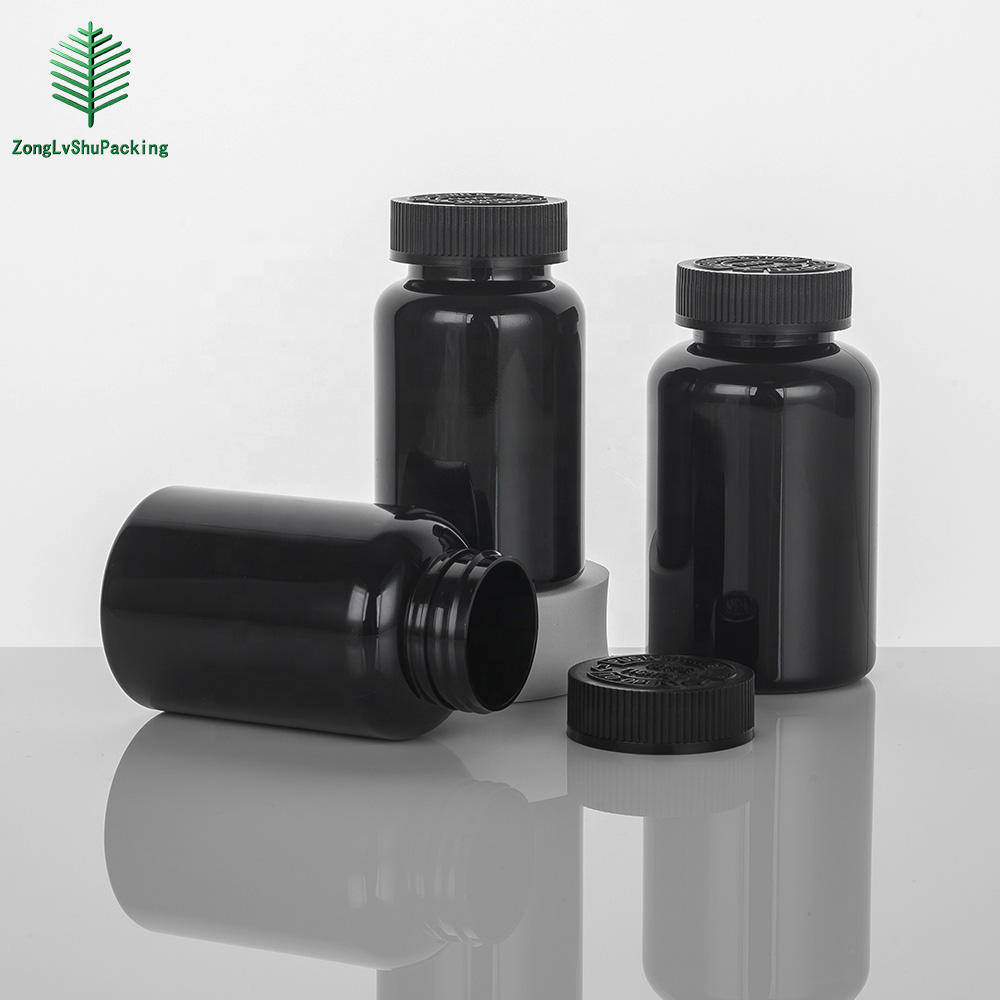
Safety considerations drive essential design elements in drug bottles, with child-resistant packaging and tamper-evident features standing as paramount priorities that protect families and ensure medication security. Child-resistant closures represent a regulatory requirement and ethical imperative in pharmaceutical packaging, incorporating mechanical designs that challenge young children while remaining accessible to adults. These ingenious closure mechanisms typically require simultaneous actions such as pressing down while turning, aligning arrows before lifting, or squeezing specific points while rotating, movements that demand cognitive understanding and physical coordination beyond the capabilities of children under five years old. The effectiveness of these safety closures has been validated through extensive testing protocols that measure successful opening rates among child populations versus adult users, ensuring designs meet strict safety standards while avoiding frustration for legitimate users. Senior-friendly variations of child-resistant closures address the needs of elderly patients who may struggle with complex opening mechanisms due to arthritis or reduced hand strength, offering easier-to-open alternatives that maintain safety for young children. Tamper-evident features provide critical security assurances in an era where product integrity concerns affect consumer confidence and public health. These features include breakable bands around bottle necks that visibly separate when caps are first removed, providing immediate visual confirmation of whether bottles have been previously opened. Induction-sealed foil layers create hermetic barriers beneath caps, requiring removal before accessing contents and leaving clear evidence of any tampering attempts. Shrink-wrap sleeves encasing entire bottles offer additional security layers, particularly important for over-the-counter medications sold in retail environments where products may pass through multiple hands before purchase. The psychological benefit of tamper-evident packaging cannot be understated, as these features rebuild consumer trust following historical incidents of product tampering that shocked communities and transformed packaging standards industry-wide. For parents and caregivers, the combination of child-resistant and tamper-evident features creates comprehensive protection that addresses both household safety concerns and broader security issues. These safety features also serve important legal and liability functions, protecting manufacturers and distributors by demonstrating due diligence in preventing unauthorized access and accidental exposure. Educational markings often accompany safety closures, with clear instructions and warning symbols that remind users to secure bottles properly after each use and store medications beyond children's reach. The investment in advanced safety features reflects the pharmaceutical industry's commitment to patient welfare and represents a cost-effective intervention that prevents thousands of emergency room visits annually. Healthcare providers actively recommend drug bottles with robust safety features to patients with children in their homes, recognizing these containers as essential tools in comprehensive medication safety strategies that encompass proper storage, clear labeling, and responsible disposal practices.
Practical Design Features That Enhance Daily Medication Management

Practical Design Features That Enhance Daily Medication Management

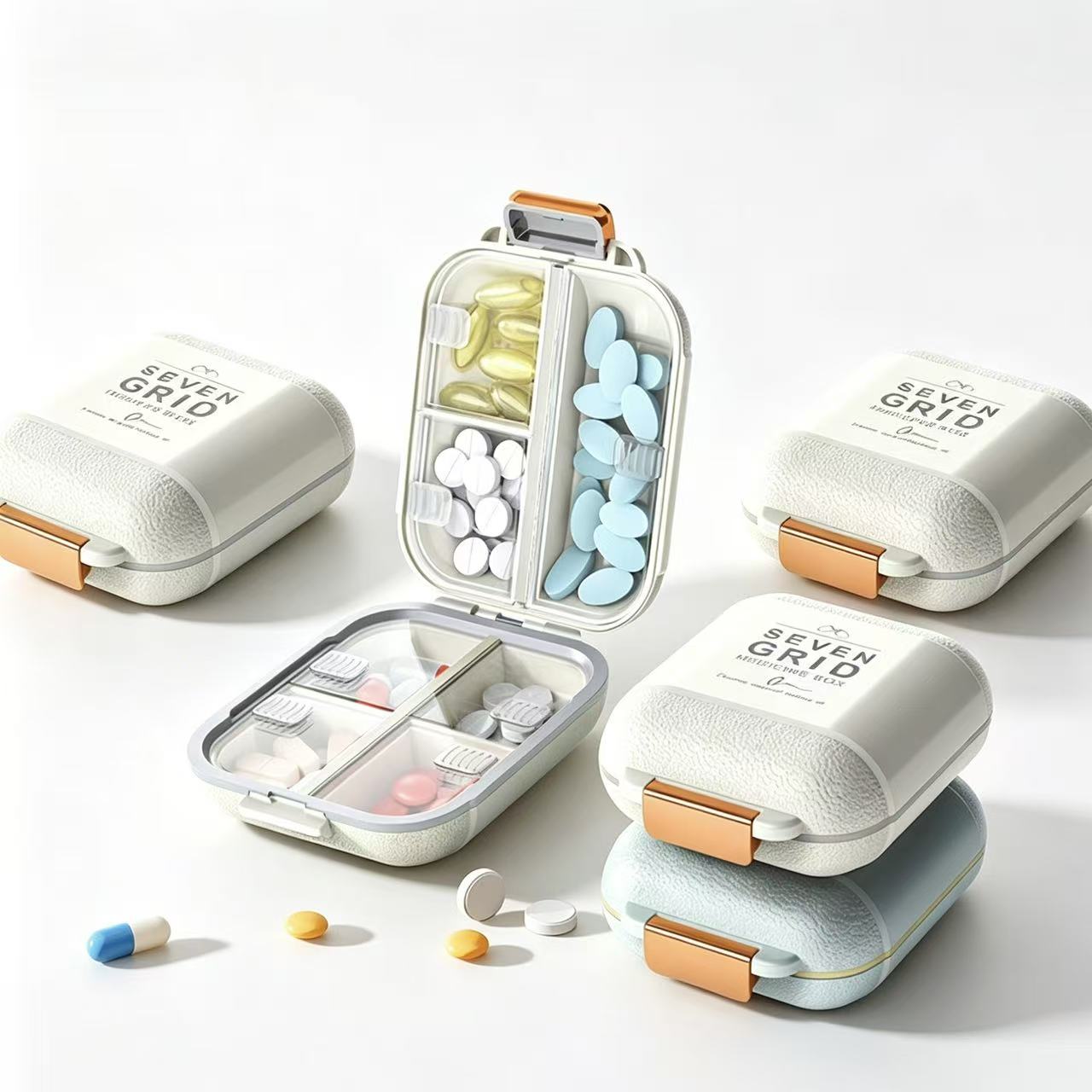
The practical design elements incorporated into drug bottles significantly improve daily medication routines through thoughtful features that address real-world user needs and challenges. Ergonomic considerations influence every aspect of drug bottle design, from diameter and height proportions that fit comfortably in adult hands to textured surfaces that provide secure grip even with wet or elderly hands. Wide-mouth openings represent a user-centered design choice that facilitates medication access for individuals with limited dexterity, arthritis, or visual impairments, eliminating the frustration of attempting to extract pills through narrow openings. The transparent or translucent properties of many drug bottles enable quick visual assessment of remaining medication quantities without opening containers, supporting proactive refill planning and preventing unexpected medication shortages. Graduated measurement markings molded into bottles containing liquid medications provide accurate dosing references that eliminate guesswork and prevent under-dosing or overdosing scenarios. Label surfaces on drug bottles are specifically designed to accommodate comprehensive information presentation, with adequate space for pharmacy-applied labels containing patient names, prescribing physician details, dosage instructions, refill information, and critical warnings. The smooth, flat label areas ensure printed information remains legible throughout the medication's lifespan, resisting smudging or peeling that could obscure essential details. Portability features make drug bottles ideal companions for active lifestyles, with compact sizes that fit easily into purses, briefcases, travel bags, and vehicle compartments without consuming excessive space. The lightweight construction of plastic drug bottles reduces travel burden while maintaining protective properties, and secure closures prevent accidental spills during transportation. Organizational advantages emerge from standardized drug bottle sizing and shapes that maximize storage efficiency in medicine cabinets, bathroom drawers, and portable medication organizers. Color-coding options and customizable labels enable household members to quickly identify their specific medications within shared storage spaces, reducing confusion and preventing medication mix-ups. Specialized dispensing features integrated into some drug bottles include flip-top caps for single-handed operation, dropper applicators for precise liquid dosing, and snap-lock mechanisms that ensure positive closure confirmation. These innovations particularly benefit patients managing complex medication regimens involving multiple prescriptions, where simplified access and reliable security both contribute to consistent adherence. Environmental adaptability of drug bottles ensures functionality across diverse storage conditions, from climate-controlled home environments to variable temperature conditions in cars or offices. The chemical stability of pharmaceutical-grade materials prevents container degradation that might release harmful substances or compromise medications. Cost-effectiveness represents another practical advantage, as reusable drug bottles can often be refilled at pharmacies, reducing packaging waste and lowering medication costs for patients requiring long-term treatments. The universal recognition of drug bottle formats provides intuitive usability, with designs that communicate pharmaceutical content and appropriate handling without extensive instruction, supporting safe medication practices across diverse populations and literacy levels.

Get a Free Quote

Our representative will contact you soon.
Email
Mobile/WhatsApp
Name
Company Name
Message
0/1000